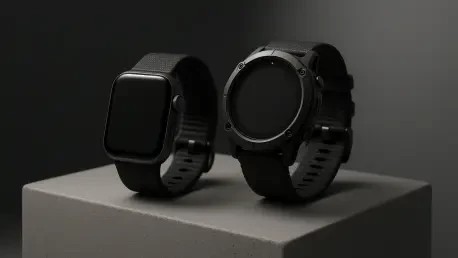

Wearable technology enthusiasts frequently debate whether a premium price tag translates into superior accuracy for fundamental metrics like daily step counts. As the market reaches a state of high maturity in the current year, consumers are faced with a choice between the Apple Watch Ultra 3 and the Garmin Cirqa, both of which claim to represent the pinnacle of biometric tracking. The Apple Watch Ultra 3 relies on a sophisticated fusion of accelerometer data and machine learning algorithms refined through years of diverse user data. Conversely, the Garmin Cirqa leverages a legacy of professional-grade navigation and specialized fitness sensors designed for high-intensity environments. Accuracy in these devices is no longer just about counting strides; it involves distinguishing between intentional movement and incidental gestures that often fool lesser sensors. This comparison seeks to determine which flagship wearable provides the most reliable data for athletes who depend on precise metrics to optimize their performance and health outcomes.
1. Precision in Step Tracking and Motion Sensing
The Apple Watch Ultra 3 utilizes an advanced dual-core motion processor that works in tandem with a high-dynamic-range gyroscope to filter out noise from daily activities. This hardware integration allows the device to recognize the specific signatures of different types of movement, such as walking, running, or even domestic chores, with remarkable clarity. By applying a proprietary neural engine model, the wearable can adjust its sensitivity based on the context of the user’s environment, such as rugged terrain or a treadmill. This minimizes the risk of overcounting steps during stationary tasks that involve significant arm movement. Testing indicates that the device maintains a high level of consistency when compared against medical-grade pedometers, particularly in suburban environments where GPS signal stability is high. The transition from older sensor arrays to this current generation has resulted in a more nuanced understanding of human locomotion, providing a data set that feels authentic to the user’s actual physical exertion levels.
In contrast, the Garmin Cirqa approaches motion tracking through a lens of multi-frequency GNSS integration and a specialized inertial measurement unit. This device is engineered for individuals who frequent remote areas where traditional signals may falter, ensuring that distance tracking remains accurate even under dense forest cover or between towering skyscrapers. The Cirqa employs a more aggressive filtering technique that prioritizes sustained rhythmic movement over short bursts of activity, which can lead to a more conservative step count compared to its competitors. This philosophy reflects a commitment to data integrity for endurance athletes who require an exact representation of their training load. While the Apple Watch might capture the minutiae of everyday life, the Garmin Cirqa excels in isolating high-impact athletic performance from background activity. Furthermore, the integration of barometer data allows the Cirqa to correlate vertical gain with stride frequency, offering a three-dimensional perspective on movement that clarifies the relationship between effort and distance.
2. Strategic Choices for Biometric Performance
The heart rate monitoring capabilities of the Apple Watch Ultra 3 are centered around its third-generation optical heart sensor, which uses multiple green and infrared light paths to measure blood flow at the wrist. This system is designed to provide near-continuous monitoring throughout the day, enabling the device to detect subtle shifts in heart rate variability that indicate stress or fatigue. Because Apple has invested heavily in clinical-grade validation, the Ultra 3 is often favored for its ability to maintain accuracy during rapid fluctuations in heart rate, such as those experienced during interval training. In comparison, Garmin’s Cirqa features the Elevate Gen 6 sensor suite, which emphasizes low-latency data acquisition for professional-level monitoring. This system is particularly adept at tracking heart rate during high-intensity sports where rapid arm movement can typically interfere with optical sensors. By utilizing a wider array of sensing elements and an updated algorithm that accounts for peripheral blood flow changes, the Cirqa provides a level of detail that rivals traditional chest straps.
The extensive field testing conducted on the Apple Watch Ultra 3 and the Garmin Cirqa revealed that the choice between these two platforms depended heavily on specific user requirements for data granularity. It was determined that the Apple ecosystem offered superior integration for those who valued a balanced approach to health and lifestyle metrics, while the Garmin system provided the specialized precision necessary for professional training. For consumers seeking to maximize their investment, it was recommended to prioritize sensor reliability in the specific environments where the device was most frequently used. Regular updates to the internal algorithms ensured that both devices remained competitive, yet the hardware differences dictated the ultimate boundaries of their accuracy. Users who transitioned to these high-end wearables discovered that consistent placement and proper maintenance of the sensor array were critical factors in achieving the highest possible data integrity. Consequently, the decision-making process involved a thorough assessment of whether broader wellness features or deep-dive athletic analytics were the primary objective of the acquisition.