
The contemporary smartwatch represents a miraculous achievement in the field of miniaturized engineering by compressing the power of a desktop computer into a package no larger than a standard matchbox. However, this remarkable technological evolution has birthed a persistent and frustrating dilemma for designers: the more a device is capable of doing, the less time it can spend away from a power outlet. Understanding this delicate balance is vital for consumers and tech enthusiasts alike, as it dictates the usability and long-term adoption of wearable technology in daily life. This article explores the timeline of how we transitioned from experimental wrist-worn gadgets to sophisticated health companions, examining the technological hurdles that keep a perfect, long-lasting smartwatch just out of reach.
The relevance of this topic lies in the shifting role of wearables from luxury novelties to essential health and productivity tools. As we integrate these devices deeper into our personal wellness routines, the stakes for battery reliability have never been higher. By tracing the history of this technology, we can better understand why the “one-day battery” remains an industry standard for flagship models and how different manufacturers have attempted to break the cycle of frequent charging.
Chronological Evolution of Wearable Power Dynamics
The journey of the smartwatch is a story of ambitious software constantly outpacing the physical limits of battery chemistry. Each era has defined a new expectation for what a watch should be and how often it needs to be plugged in.
2014: The Era of Wrist-Worn Prototypes
During this period, early Android Wear devices like the Samsung Gear Live, Moto 360, and LG G Watch hit the market. These devices were essentially miniaturized smartphones, featuring bright screens and power-hungry processors that struggled to last a full day. They were often bulky and experimental, serving more as proof-of-concept hardware for early adopters than polished consumer electronics. Battery life was a secondary concern to establishing basic functionality like notifications and voice commands. These first-generation units set a precedent for the high-energy consumption that would plague the industry for years to come.
2015: The Apple Watch and Ecosystem Integration
The launch of the first Apple Watch marked a significant shift in the industry’s direction. While it did not solve the battery life problem—maintaining a strict 18-hour “all-day” rating—it shifted the focus toward a comprehensive ecosystem of health, fitness, and communication. This event solidified the idea that a high-performance smartwatch would require daily charging, a trade-off that millions of consumers eventually accepted in exchange for deep integration with their mobile lives. It established that for a segment of the population, feature density was more valuable than multi-day endurance.
2017: The Rise of the Specialized Fitness Tracker
As mainstream smartwatches struggled with longevity, brands like Fitbit and Garmin began gaining significant ground by prioritizing endurance. By using low-power reflective displays and less frequent sensor polling, these devices could last five to seven days. This period highlighted the growing divide between “true” smartwatches with high-resolution screens and fitness-focused wearables that prioritized data collection over interactive apps. It proved that a market existed for users who were willing to sacrifice visual flair for a device they could wear for a full week without thought.
2020: The Emergence of Hybrid and Ultra-Efficiency Models
Innovations such as the Withings ScanWatch introduced the concept of the hybrid smartwatch to a wider audience. By combining mechanical hands with small, discrete digital displays, these devices pushed battery life to nearly a month. Simultaneously, manufacturers began utilizing more efficient chipsets and improved battery chemistry, though the gains were often immediately offset by the introduction of power-draining features like Always-On Displays and blood oxygen monitoring. This era proved that efficiency was possible, but only if the user was willing to forgo the traditional “mini-phone” experience on their wrist.
2022 to Present: The Professional and Ultra Endurance Tier
Recent years have seen the introduction of “Ultra” category watches, such as the Apple Watch Ultra and Samsung Galaxy Watch Pro series. These devices aim to bridge the gap by offering larger physical batteries and specialized power-saving modes for multi-day expeditions. While they provide more breathing room than their predecessors, they remain tethered to the reality that high-performance biometric tracking and cellular connectivity are inherently energy-intensive. These models cater to a niche that demands both top-tier functionality and the ability to survive away from a grid for a weekend.
Turning Points in the Power Struggle
The most significant turning point in the history of smartwatches was the realization that battery life is not just a hardware limitation, but a fundamental design philosophy. The “Inverse Relation Theory” remains the overarching theme of the industry: as functional capability increases, endurance inevitably decreases. This pattern has forced a divergence in the market between high-utility devices and long-term health monitors.
A notable gap in the current landscape is the lack of a breakthrough in battery chemistry that can match the rapid advancement of sensor technology. While we have seen minor improvements through software optimization and more efficient processors, we are still waiting for a “solid-state” battery revolution or similar leap that would allow for a full-featured smartwatch to last a week or more without compromising on screen quality or sensor accuracy. Until then, the struggle remains a zero-sum game of power management.
Nuances of the Modern User Experience
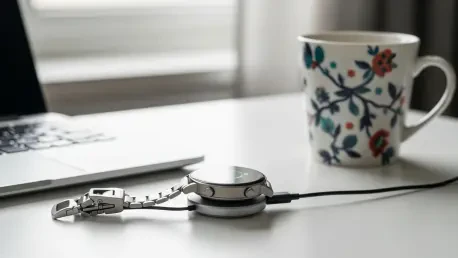
The perception of battery life is often as much a psychological issue as it is a technical one. For many, a device that must be charged every day is easier to manage because it fits into a rigid morning or evening routine. Conversely, a device that lasts three days can be more frustrating, as the charging requirement becomes unpredictable and lacks a rhythmic habit, leading to the device dying at inconvenient times.
Regional differences and competitive factors also play a role, with many manufacturers in the global market prioritizing ultra-fast charging speeds as a workaround for limited battery capacity. Expert opinions suggest that the future of the industry may lie in “ambient charging” technologies or improved solar integration, which could theoretically keep a watch powered indefinitely for casual users. Ultimately, the industry moved toward a highly segmented model where the “correct” battery life was determined entirely by the user’s personal reliance on the device’s most advanced features.
The evolution of the smartwatch demonstrated that consumer expectations shifted from wanting a wrist-phone to demanding a reliable health partner. Manufacturers addressed the endurance gap by refining software efficiency and experimenting with solar harvesting. To further understand this field, researchers examined the potential of kinetic energy recovery and the impact of micro-LED displays on energy conservation. These developments suggested that future iterations might finally sever the link between high performance and the daily charging cable.