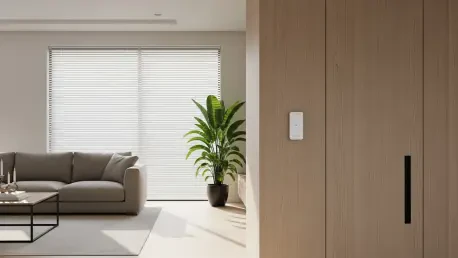

The invisible symphony of a truly modern residence no longer relies on the heavy-handed touch of a smartphone screen or the persistent vocal commands directed at a digital assistant. Instead, the current state of home automation thrives on the subtle, constant stream of data provided by a network of distributed sensors that act as the primary nervous system of the property. This transition toward passive intelligence means that a house now anticipates the needs of its occupants by monitoring environmental variables in real-time. While premium hardware brands have historically dominated the high-end market with proprietary ecosystems and significant price tags, the landscape in 2026 has shifted dramatically toward high-performance, budget-friendly hardware. For less than twenty dollars per unit, homeowners are now integrating sophisticated devices that utilize universal communication standards like Zigbee and the Matter protocol. This accessibility ensures that professional-grade reliability is no longer restricted to luxury installations but is available to any enthusiast willing to prioritize interoperability over brand prestige.
Precision Climate: Utilizing Sensirion Technology
Maintaining a consistent and healthy indoor environment requires more than just a basic thermostat; it demands granular data from every corner of the living space. Devices like the Thirdreality Temperature and Humidity Sensor have become essential for this task because they incorporate professional-grade Sensirion chips, which were once found only in industrial-grade equipment. These affordable sensors provide the high-frequency sampling rates and low-margin-of-error readings necessary for complex automation routines. By deploying these units across different zones, a smart home controller can execute precise “if-then” commands that significantly improve daily comfort. For instance, if a sensor in a west-facing bedroom detects a rapid rise in temperature during the afternoon, it can automatically trigger a smart plug connected to a localized cooling fan or adjust the slats of automated blinds before the room becomes uncomfortably hot. This level of proactive management ensures that the heating and cooling systems operate with maximum efficiency.
Efficiency Strategies: Implementing Budget Temperature Sensors
For those seeking to maximize their return on investment across a larger floor plan, the latest generation of IKEA budget sensors offers a compelling balance of utility and extreme affordability. These devices are particularly noteworthy for their reliance on standard, easily replaceable AAA batteries, which circumvents the common frustration of dealing with rare and expensive coin-cell alternatives. This design choice simplifies long-term maintenance cycles and ensures that even a house with thirty or forty individual sensors remains easy to manage over several years. When these low-cost tools are integrated into a broader network, they allow for a highly detailed map of energy consumption and environmental performance. Homeowners can pinpoint specific areas where heat loss occurs or where humidity spikes might lead to mold issues, all without a massive upfront financial commitment. By treating climate sensing as a distributed network rather than a centralized task, these budget-friendly options enable a level of environmental control that rivals many expensive commercial building management systems.
Motion Detection: Integrating Matter and Zigbee Standards
The traditional limitations of automated lighting—where lamps might flicker on or off at the wrong moments—are being solved by the widespread adoption of versatile motion detection hardware. The IKEA Myggspray represents a significant milestone in this category, as it provides a low-cost entry point into the Matter ecosystem, ensuring that it communicates flawlessly with hubs from various manufacturers. This cross-brand compatibility is essential for creating a cohesive experience where a motion trigger in the hallway can seamlessly interact with security sirens or ambient lighting scenes. While these budget devices often require a bit more initial configuration compared to “plug-and-play” premium alternatives, the results are indistinguishable from professional installations once the logic is established. The ability to use a single, inexpensive sensor to trigger multiple complex actions—such as dimming the lights for a movie while simultaneously locking the front door—demonstrates that the value of these components lies in their firmware flexibility rather than their price tag.
Occupancy Logic: Utilizing Microwave Radar Technology
A persistent challenge in home automation has always been the “false negative” scenario, where a sensor fails to detect a person who is sitting still, such as while reading a book or working at a desk. Advanced presence sensors like the Sonoff Human Presence Sensor address this by moving beyond traditional Passive Infrared technology and utilizing sophisticated microwave radar. This technology is sensitive enough to detect the minute physical movements associated with breathing or subtle shifts in posture, ensuring that the room remains in an “active” state as long as it is occupied. Offering this level of technical sophistication for under twenty dollars marks a profound shift in the industry, as it allows hobbyists to implement true occupancy-based automation that was previously the domain of high-end corporate offices. By effectively eliminating the need for periodic manual overrides or “ghost” triggers, these presence detectors provide a level of reliability that transforms the smart home from a collection of gadgets into a truly intuitive living environment that reacts to human existence.
Specialized Security: Vibration and Tilt Detection
Beyond the general detection of movement within a room, specialized sensors now offer the ability to monitor discrete physical interactions with specific furniture or high-value items. The Aqara Vibration Sensor is a prime example of this specialization, providing the capability to detect vibrations, tilts, and even sudden drops with remarkable sensitivity. Its compact form factor allows it to be concealed easily on the underside of a liquor cabinet lid, inside a jewelry box, or behind a piece of wall art, providing a hidden layer of security that complements traditional cameras. Because the device can distinguish between different types of movement, it can be programmed to ignore the minor tremors of a passing heavy vehicle while still alerting the homeowner if a drawer is being pried open. This nuanced approach to security allows for the creation of a highly personalized monitoring system that focuses on the protection of internal assets, ensuring that unauthorized access to sensitive belongings is recorded and reported the instant it occurs without the need for constant visual surveillance.
Platform Interoperability: Connecting to Major Ecosystems
The true power of these niche sensors is unlocked through their integration into major smart home platforms like Apple Home and Amazon Alexa. While some specialized hardware may require a dedicated hub to access its most advanced features, the native support for the Zigbee communication protocol makes them incredibly flexible additions to any custom infrastructure. This interoperability allows users to construct highly specific notification trees that keep them informed about the status of their property in real-time. For example, a vibration sensor attached to a mailbox can send an immediate notification to a smartphone or play an announcement over a smart speaker the moment the mail is delivered. This ability to bridge the gap between physical actions and digital alerts without a significant investment in proprietary hardware is what defines the modern professional smart home. By choosing devices that adhere to open standards, homeowners can scale their security and monitoring capabilities as their needs evolve, ensuring that their investment remains relevant even as new technologies emerge.
Strategic Growth: Prioritizing Local Control Systems
Developing a sustainable and scalable smart home environment requires a strategic focus on open standards and local control rather than becoming tethered to a single manufacturer’s closed ecosystem. By prioritizing sensors that support Zigbee and the Matter protocol, users ensure that their hardware remains functional regardless of whether a specific company continues to support its cloud services. This approach is particularly important for enthusiasts using platforms like Home Assistant, which allows for complex automation logic to be processed locally on a private server. Local processing not only improves response times by eliminating the need for signals to travel to a distant data center but also significantly enhances user privacy by keeping sensitive behavioral data within the walls of the home. Avoiding “vendor lock-in” means that if a better or more affordable sensor enters the market, it can be integrated into the existing system without needing to replace the entire infrastructure. This modularity is the hallmark of a professional-grade installation, providing total control.
Future Considerations: Building Sustainable Automation Networks
Successful implementation of a budget-based smart home relied on evaluating the market track record and the diversity of the surrounding ecosystem rather than just the initial price tag. Professional results were achieved when users looked past marketing claims to verify the precision and reliability of specific components through community testing and real-world performance data. Moving forward, the most effective strategy involved building a foundation on interoperable hubs that supported the latest wireless standards, ensuring that every new sensor added to the network strengthened the overall system. Homeowners who focused on high-quality budget sensors discovered that they could achieve a level of sophisticated, automated living that previously required thousands of dollars in specialized labor and proprietary hardware. By treating the smart home as an evolving project rather than a static purchase, individuals empowered themselves to create environments that were both highly functional and economically sustainable for the long term.