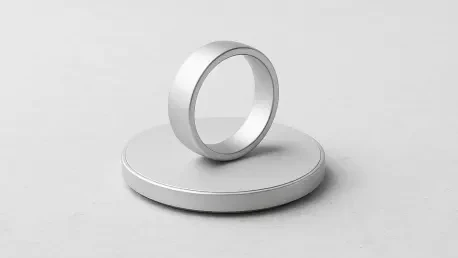

The decision to strip away notification systems addresses the widespread desire for a digital detox while maintaining rigorous health monitoring standards. This shift is particularly evident in the aesthetic transition from bulky, silicone-strapped smartwatches to elegant, minimalist jewelry that monitors health without sacrificing personal style. As the market moves deeper into the current era, the emergence of smart rings and discreet pendants has fundamentally challenged the dominance of the wrist-worn screen. These devices represent a pivot toward “calm technology,” where the hardware disappears into the user’s personal identity rather than demanding constant attention through glowing pixels or haptic vibrations. The integration of medical-grade sensors into titanium bands and gold-plated housings suggests that the era of visible technology is waning. Consumers now prioritize devices that capture intricate physiological data while remaining indistinguishable from traditional high-end luxury jewelry pieces.
Sensory Integration: Hardware Precision and User Implementation
The transition from bulky wristwear to minimalist jewelry required significant breakthroughs in battery density and sensor miniaturization. By 2026, the implementation of solid-state micro-batteries allowed manufacturers to achieve nearly a week of continuous monitoring within a footprint no larger than a standard wedding band. These energy cells provide high capacity and safety in a curved form factor, eliminating the need for frequent charging that often plagues larger devices. Furthermore, the development of high-efficiency photoplethysmography modules has enabled the tracking of heart rate variability and blood oxygen levels with minimal power draw. These sensors are now small enough to be embedded in the interior of rings or within the decorative elements of a necklace, ensuring that the tech remains hidden from view. This architectural shift allows for a focus on durability, with many minimalist trackers featuring scratch-resistant PVD coatings to survive daily wear and intense activities.
Modern minimalist jewelry often outperforms traditional fitness trackers in data fidelity due to the biological advantages of the digital arteries in the fingers. These vessels provide a significantly stronger and clearer signal for optical sensors compared to the capillaries in the wrist, where skin thickness and bone structure often interfere with light absorption. This inherent accuracy makes smart rings particularly effective for tracking sleep stages and cardiovascular recovery metrics without the physical discomfort of a heavy watch. Additionally, the lack of a built-in screen removes the primary source of user distraction, allowing the companion smartphone application to serve as a deep-dive diagnostic tool rather than a constant source of interruptions. Advanced algorithms process the raw data collected by these jewelry pieces to offer actionable insights into stress management and metabolic health. By focusing on passive collection, these devices ensure the technology operates silently in the background.
The strategic adoption of minimalist health technology required a deliberate shift in how individuals interacted with their own biometric trends. Users who successfully integrated smart jewelry into their routines focused on long-term wellness indicators rather than reacting to real-time step counts or instant vibrations. It was essential to select a form factor that complemented daily activities, such as choosing a smart ring with a brushed titanium finish for active lifestyles or a discreet smart pendant for professional environments. Professionals suggested that consumers audited their digital habits to determine if the removal of haptic alerts would improve their mental focus and sleep hygiene. By prioritizing high-fidelity sensor data over screen-based interaction, individuals established a more sustainable relationship with health monitoring. The shift toward these invisible tools demonstrated that comprehensive insights did not require the sacrifice of style. Actionable steps involved setting specific windows to review data.