
Oscar Vail is a seasoned technology expert who has spent years tracking the intersection of sustainable engineering and high-performance hardware. With a professional background rooted in open-source projects and emerging robotics, he possesses a unique vantage point on how modular design can compete with the streamlined giants of the mobile industry. In this discussion, we explore the implications of the recently leaked Fairphone 6+, a device that appears to challenge the status quo by pairing ethical manufacturing with a surprising boost in internal specifications. We delve into the significance of the 12GB memory upgrade, the tactile nature of its mechanical accessories, and how this release fits into the company’s historical biennial launch cycle.
The Fairphone 6+ features a significant jump to 12GB of RAM compared to the standard model; how do you see this shift impacting the user experience for those committed to long-term device ownership?
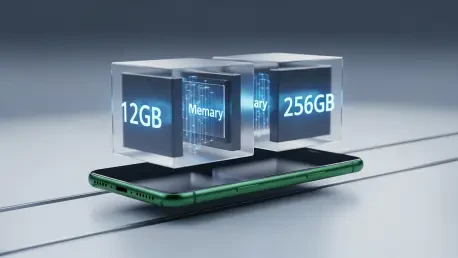
The leap from 8GB to 12GB of RAM is a profound statement for a company that prioritizes longevity over planned obsolescence. In an era where software bloat and intensive background processes can quickly slow down older hardware, that extra 4GB provides a vital safety net for the next several years. When you consider that many users aim to keep these devices for five years or more, this hardware overhead ensures the interface remains fluid and snappy even as future operating systems become more demanding. It transforms the phone from a basic mid-range tool into a robust workstation that can handle multitasking without the frustrating lag that often forces consumers to upgrade prematurely.
With the leak of the new Cobalt Blue color and familiar accessories, what does the external design of the 6+ tell us about the brand’s current philosophy regarding hardware iteration?
The introduction of the Cobalt Blue finish alongside the classic Horizon Black and Forest Green suggests a brand that is finding its aesthetic confidence without losing its utilitarian soul. While the external chassis remains identical to the standard Fairphone 6, this consistency is actually a win for sustainability because it maintains compatibility with existing parts and modules. You can really feel the company’s commitment to mechanical integrity when you look at the finger loop and card holder accessories, which are bolted directly onto the frame with a screwdriver rather than relying on convenient but weaker magnets. It creates a very deliberate, tactile relationship between the user and the machine, reinforcing the idea that this is a tool you are meant to maintain and understand.
Fairphone has traditionally maintained a biennial release schedule, so what does the timing of this “+” model suggest about their strategy to stay relevant between major generational shifts?
The decision to launch an upgraded version in 2025 is a clever tactical move, especially since the standard Fairphone 6 arrived this year and the Fairphone 7 isn’t expected until 2026. By offering a 256GB storage and 12GB RAM variant now, they are effectively answering the critiques of power users who felt the original $923.78 price point deserved a bit more muscle. This mid-cycle refresh allows them to adapt to the fast-moving semiconductor market without the massive environmental and financial cost of designing an entirely new platform from scratch. It keeps the product line fresh and competitive against mainstream flagships while staying true to their slow-tech ethos of intentional, meaningful updates.
What is your forecast for the future of modular smartphones in a market that is increasingly moving toward sealed, non-repairable designs?
I believe we are on the verge of a significant cultural shift where repairability becomes a luxury status symbol rather than a compromise. As the Fairphone 6+ demonstrates that modularity can coexist with high-end specs like 12GB of RAM, more consumers will start to question why they are locked out of their thousand-dollar devices by glue and proprietary screws. We will likely see a surge in demand for hardware transparency, forcing larger manufacturers to adopt at least some of the modular principles that Fairphone has championed for years. Eventually, the ability to swap a battery or bolt on a card holder with a simple tool will be seen as the ultimate form of consumer empowerment and environmental responsibility.