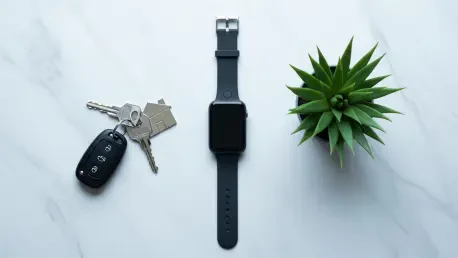

Ensuring the safety of an aging population while preserving their dignity and independence has become a central focus for telecommunications providers as they navigate the evolving needs of the 50-plus demographic. Statistics indicate that a significant majority of adults over the age of fifty express a strong desire to remain in their own homes for as long as possible, a trend commonly referred to as aging in place. This desire creates a unique challenge for families and caregivers who seek a balance between granting autonomy and maintaining a reliable safety net. Consumer Cellular has responded to this societal demand by launching the IRIS Ally Go, a wearable safety watch designed to bridge the gap between medical emergency response systems and modern lifestyle accessories. By integrating advanced tracking and communication technology into a familiar wrist-worn form factor, the device offers a discreet solution for active seniors who may be hesitant to adopt traditional safety equipment that feels overly clinical.
Modernizing Safety: The Transition to Lifestyle-Integrated Devices
The evolution of the personal emergency response market has historically been hindered by the aesthetic and social stigma associated with traditional neck-worn pendants. Many older adults view these devices as symbols of frailty, which often leads to inconsistent usage or a complete refusal to wear them despite the potential risks of living alone. To address this psychological barrier, the IRIS Ally Go adopts a modern watch design that mirrors the look of contemporary consumer electronics. This shift in design philosophy acknowledges that safety tools are more effective when they are integrated seamlessly into a user’s daily wardrobe. By offering a device that functions as a stylish accessory, the brand empowers users to prioritize their well-being without feeling like they are advertising their vulnerability to the public. This approach emphasizes personal choice and respect for the user’s self-image, fostering a higher rate of compliance and overall safety for those who live independently.
Moving beyond the physical appearance of the device, the transition to a wrist-based system also reflects a broader technological shift toward mobile freedom and away from landline-tethered solutions. Earlier iterations of safety monitors were often confined to the home, relying on a base station connected to a traditional telephone jack which severely limited the user’s range of motion. The IRIS Ally Go utilizes nationwide cellular connectivity and sophisticated GPS tracking to ensure that protection extends far beyond the front door. This mobility is essential for seniors who maintain active lifestyles, whether they are gardening, walking through a local park, or traveling to visit family members. By providing a consistent link to emergency services regardless of location, the device supports a level of outdoor engagement that was previously difficult to secure. This expanded coverage area is a critical component of the company’s strategy to accommodate the varied routines and geographic diversity of its subscriber base.
Technological Integration: Features for Uninterrupted Independence
The core functionality of the safety watch is centered on immediate responsiveness and clear communication during critical moments, such as a fall or sudden medical episode. At the touch of a button, users can initiate a two-way voice call with trained emergency response agents who are available around the clock to provide assistance. These agents have access to the user’s real-time location data through integrated GPS and Wi-Fi positioning technology, which is vital when a caller is disoriented or unable to describe their surroundings. This level of precision significantly reduces response times for emergency services, potentially saving lives in high-stakes situations. Moreover, the inclusion of advanced location-sharing features allows designated family members or caregivers to stay informed about the user’s whereabouts through a secure interface. This creates a multi-layered support system that combines professional monitoring with personal oversight, offering peace of mind to both the wearer and their loved ones.
One of the standout features of this device is its standalone capability, which eliminates the need for a tethered smartphone or a complex synchronization process. While many modern smartwatches offer safety features, they often require a high degree of technical literacy to set up and maintain, which can be a significant deterrent for users who are not tech-savvy. The IRIS Ally Go operates as an independent hub, providing all necessary safety functions within the hardware itself without requiring a secondary mobile device to function. This simplification removes technical barriers and ensures that the watch remains accessible to a wider audience, regardless of their familiarity with modern digital ecosystems. The ergonomic design further supports long-term wear, featuring a comfortable strap and a clear, easy-to-read interface that prioritizes functionality over unnecessary complexity. By focusing on essential safety tools rather than overwhelming the user with apps, the watch ensures that emergency protection remains the focus.
Strategic Implementation: Accessibility and Actionable Safety Planning
Accessibility in the health technology sector is not only about ease of use but also about economic feasibility for those living on fixed retirement incomes. Consumer Cellular has positioned the safety watch as an affordable alternative to high-priced medical monitoring systems, offering competitive hardware costs and flexible service plans. This strategy is reinforced by a long-standing partnership with AARP, which provides additional value and reliability for members seeking reputable safety solutions. Distribution through both online platforms and physical retail locations ensures that customers can interact with the product and receive hands-on demonstrations before committing to a purchase. Furthermore, the presence of an award-winning, U.S.-based customer support team offers a localized layer of service that addresses the specific concerns of the 50-plus demographic. This commitment to human-centric support ensures that technical questions are handled with the patience and clarity that users in this age group value most highly.
The launch of this specialized wearable established a new framework for how telecommunications infrastructure served the diverse safety needs of an aging population. Industry experts recognized that moving beyond home-bound systems empowered individuals to maintain their community engagement without sacrificing immediate access to help. Families who adopted this technology found that regular check-ins and the establishment of safe zones through GPS tracking provided a proactive rather than reactive approach to care. To maximize the benefits of such a device, users and their families were advised to conduct monthly testing of the SOS feature to ensure consistent network coverage in their most-visited locations. This transition toward mobile-first safety solutions suggested that future developments would likely focus on predictive health diagnostics and environmental monitoring. By choosing a device that prioritized simplicity and mobility, seniors effectively extended their window of independence and redefined the expectations for modern elder care technology.