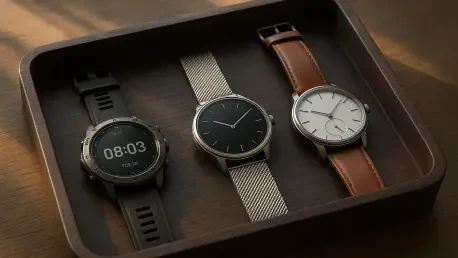

Transitioning to a classic timepiece for evening events acts as a mental rest mode that facilitates a break from constant connectivity. While the digital revolution originally promised a single device to rule all aspects of daily life, the reality in the current landscape involves a selection of hardware tailored to specific environments. Consumers often find that a rugged, bulky timepiece designed for high-altitude trekking or deep-sea diving lacks the necessary elegance for a formal dinner. Consequently, the market has shifted away from the “one-size-fits-all” mentality that dominated early iterations of wearable technology. Instead, a growing segment of professionals now manages a rotation of devices that balance advanced biometric tracking with aesthetic sophistication. This evolution reflects a broader understanding that the value of a smartwatch is not merely in its features but in its situational appropriateness and the psychological boundaries it helps establish in life.
The Multi-Device DilemmPerformance versus Aesthetics
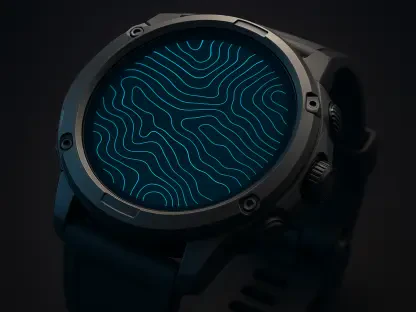
Technological advancements in biometric sensors have led to a bifurcation in the wearable market, forcing a choice between specialized performance and daily wearability. High-end athletic watches, such as the latest Garmin Marq or Apple Watch Ultra series, provide unparalleled GPS accuracy and recovery metrics that are essential for serious athletes. However, these units often possess a ruggedized exterior and significant thickness that can be cumbersome during routine tasks. The sheer volume of data these devices collect is impressive, yet the physical presence of a titanium case is not always desirable. This has prompted many users to adopt a secondary, slimmer device like the Samsung Galaxy Watch for everyday office use. These thinner models prioritize haptic notifications and sleek profiles over multi-band systems, allowing for a seamless integration into professional wardrobes without sacrificing basic connectivity or essential health tracking during the busy workday.
Managing multiple smartwatches creates a unique set of logistical challenges, particularly regarding data continuity and ecosystem lock-in. When a user switches from a high-performance training watch to a lifestyle-oriented model, the transition must be supported by a robust software backend that merges heart rate variability and activity calories into a single, cohesive health profile. Fortunately, the progress seen from 2026 to 2028 in cross-platform synchronization has largely mitigated these hurdles. Apple Health and Google Fit have evolved into sophisticated aggregators that successfully ingest data from various manufacturers, ensuring that a morning run recorded on a dedicated sports watch is reflected in the recovery metrics of a lifestyle device worn later in the day. This interoperability is the key driver behind the trend of owning multiple smartwatches, as it allows individuals to select the best hardware for a specific activity without losing any historical data.
Strategic Integration: Managing a Curated Collection
The trajectory of wearable technology suggested that the optimal number of smartwatches for a dedicated enthusiast moved toward a three-tier system. This structure typically included a high-durability performance model for physical activity, a versatile flagship for professional life, and a discreet hybrid or classic mechanical piece for social engagements. Analysts observed that this diversified approach significantly reduced the wear and tear on a single primary device, thereby extending the total lifespan of the hardware investment. Furthermore, the psychological benefits of “unplugging” from a full-featured screen while still maintaining basic health tracking proved to be a significant factor in consumer satisfaction. Users who adopted this strategy reported a better balance between their digital responsibilities and their physical presence. By treating the smartwatch as a tool, people successfully reclaimed their focus while ensuring they had the right equipment for any task.
In light of these developments, individuals were encouraged to evaluate their personal technology needs through the lens of utility and environment rather than brand loyalty alone. The most effective strategy involved identifying the specific gaps in one’s current digital workflow and filling them with hardware that offered specialized sensors or appropriate aesthetics. For those looking to optimize their health tracking from 2026 to 2028, the focus shifted toward data accuracy across platforms rather than the features of a single watch. It became clear that owning multiple devices was not an exercise in excess, but a practical response to the diverse roles people played. Future considerations prioritized the selection of devices that supported open data standards to ensure that biometric information remained accessible across different generations. Ultimately, the successful management of a multi-watch lifestyle relied on a clear understanding of when to engage with technology.