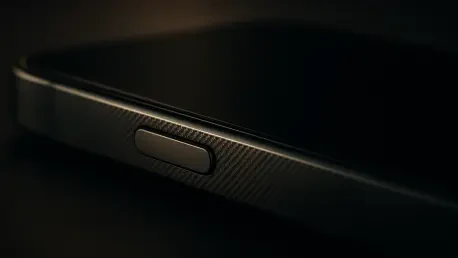

Users can now manage sensitive data and app layouts through a dedicated physical AI button that triggers hardware-level privacy features based on the device’s current location. This innovation is the centerpiece of Xiaomi’s latest flagship release in China, where the 18 Pro and its larger counterpart, the 18 Pro Max, have set a new benchmark for integrated security. By merging physical controls with artificial intelligence, the manufacturer addressed a growing demand for on-device data sovereignty that operates independently of cloud-based protocols. These devices represent the first major deployment of Qualcomm’s newest silicon architecture, emphasizing not only raw processing power but also a sophisticated synergy between hardware components and the HyperOS 4 environment. As the mobile landscape shifts toward more autonomous and context-aware systems, this launch demonstrated a shift in focus from standard iterative upgrades to foundational changes in how users interact with their mobile hardware.
Silicon Efficiency and Internal Architecture
Processing Power: The Snapdragon 8 Elite Gen 6
At the heart of the 18 Pro lies the Snapdragon 8 Elite Gen 6, a chipset designed to handle the massive computational loads required by modern generative AI models. The 18 Pro Max takes this a step further by incorporating the Extreme variant of the same chip, which offers higher clock speeds and improved multi-core efficiency for demanding professional workflows. This silicon allows for a seamless transition between complex tasks, such as real-time language translation and 8K video editing, without the thermal throttling that plagued previous generations. Both models utilize high-density cooling systems that dissipate heat across a larger surface area, ensuring that the performance remains consistent during extended gaming sessions or heavy data processing. This architectural choice reflected a commitment to providing a desktop-level experience within a mobile form factor, bridging the gap between portable convenience and the high-performance needs of power users today.
Thermal Management: Longevity Under Heavy Load
The internal layout was reimagined to accommodate the massive battery capacities required by these advanced processing units. Specifically, the 18 Pro Max houses a staggering 8,500mAh cell, while the standard Pro model carries a 7,000mAh unit, both utilizing silicon-carbon anode technology to maintain a slim profile despite the increased energy density. This shift in battery chemistry not only extended the daily runtime but also enhanced the lifespan of the hardware by reducing chemical degradation during high-speed 100W wired charging cycles. By prioritizing thermal stability through advanced vapor chambers and graphite sheets, the system maintained peak efficiency even when the AI button was active for prolonged periods. This focus on heat dissipation ensured that the device remained comfortable to hold while performing intensive background tasks, such as indexing large datasets or rendering complex augmented reality environments, proving that raw power can be effectively managed.
Display Engineering and Optical Systems
Visual Fidelity: LTPO AMOLED and Privacy Integration
The visual experience is anchored by LTPO AMOLED displays that provide a 2K resolution while maintaining an adaptive refresh rate from 1 to 120Hz. The 18 Pro features a manageable 6.4-inch screen, whereas the Pro Max caters to media enthusiasts with a expansive 6.9-inch panel. To ensure these vibrant displays remain pristine under daily use, Xiaomi utilized Dragon Crystal Glass 3, a material engineered for superior scratch resistance and impact durability compared to standard tempered options. Furthermore, the hardware-level privacy display technology prevents unauthorized viewing from side angles, effectively narrowing the visible field when sensitive information is detected on screen. This is complemented by an IP69 rating, offering a level of dust and water protection that exceeds the industry standard for flagship devices. Such durability ensures that the high-end technology within remains protected against environmental stressors, providing a reliable platform for the new HyperOS 4.
Optical Innovation: Redefining Professional Standards
Optical capabilities reached a significant milestone with a triple camera configuration featuring two 200-megapixel sensors alongside a 50-megapixel unit. This setup utilized a periscope telephoto lens capable of 3.2x optical zoom, allowing for high-resolution captures even at substantial distances without sacrificing detail or color accuracy. To support these energy-intensive components, the battery capacities were increased significantly, ensuring that photographers could document entire events without needing a recharge. Moving forward, organizations should prioritize the integration of similar high-density silicon-carbon batteries to balance the power demands of generative AI. Developers might also explore the potential of the secondary rear display for hands-free professional monitoring tools or secure authentication workflows. This launch suggested that the industry is pivoting toward hardware that serves as a proactive assistant rather than a passive tool.