
The recent unveiling of Huawei’s latest global wearable lineup signaled a pivotal shift in consumer electronics where the focus moved from basic activity tracking toward high-fidelity medical diagnostics integrated into high-fashion accessories. This simultaneous launch of the Watch 6 and Watch GT 7 series served as a strategic maneuver to capture two distinct yet increasingly overlapping market segments: luxury health seekers and endurance athletes. Industry analysts observed that the brand successfully leveraged advancements in material science to maintain its leadership position in a crowded international market.
In the strategic roadmap spanning from 2026 to 2028, the company prioritized the integration of advanced sensors into everyday form factors. This evolution demonstrated that wearable technology no longer functioned as a mere peripheral but as a primary health hub capable of long-term wellness management. By addressing the needs of diverse demographics through tiered hardware capabilities, the brand ensured that both casual users and professional explorers found value in the new ecosystem.
The Strategic Evolution of Huawei’s High-End Wearable Ecosystem
The transition toward high-end health diagnostics represented a fundamental change in how hardware was developed for the global stage. Instead of merely iterating on aesthetic features, the engineering focus shifted toward creating a comprehensive monitoring system that provided medical-grade insights. This move was particularly significant for users who required continuous tracking of complex biometrics without the inconvenience of traditional medical equipment.
Moreover, the expansion allowed the brand to showcase its prowess in hardware durability and display engineering. In a landscape where outdoor sports like skiing and golf have gained immense popularity, the demand for rugged yet stylish devices has reached a peak. This strategic pivot ensured that the brand remained relevant across various lifestyle contexts, from high-stakes boardroom meetings to grueling ultramarathons.
Precision Engineering Through the 12-Channel X-Tap Sensor System
The Watch 6 series introduced a radical improvement in data collection through the implementation of the 12-channel X-Tap sensor. By doubling the hardware sensitivity compared to previous models, the device gained the ability to analyze 14 distinct health metrics simultaneously. This level of data density offered users a more granular view of their internal health, moving beyond basic heart rate tracking to include comprehensive risk assessments for chronic conditions.
Some healthcare technology experts noted that such precision allowed for the early detection of physiological irregularities. By capturing more frequent and accurate data points, the watch acted as an early warning system for hypertension or heart disease. The challenge for the brand then became a software one, as it worked to distill these complex data sets into intuitive graphs and actionable advice that a non-medical professional could understand.
Material Sophistication and the Race for Peak Display Luminosity
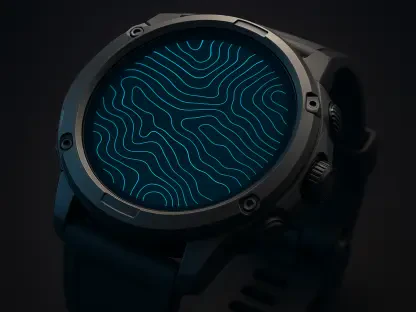
Materials usually reserved for high-end luxury timepieces, such as nano-tech ceramics and titanium alloy, defined the physical presence of the Watch 6 Pro. These choices were not merely for show; they provided the structural integrity required for extreme environments while maintaining a lightweight profile. The inclusion of artificial sapphire glass ensured that the display remained scratch-resistant even during intense physical activities or accidental impacts.
The most striking visual advancement was the 3,500-nit LTPO OLED display, which set a new standard for visibility under direct light. This luminosity ensured that users could read their health metrics or navigation maps in the brightest outdoor settings without straining their eyes. By combining these premium materials with cutting-edge screen technology, the device successfully bridged the gap between a fragile electronic gadget and a robust luxury watch.
Redefining User Interaction With Touch-Free Gesture Controls
A common struggle for smartwatch users involved interacting with the screen while their hands were occupied, a pain point addressed by the introduction of intuitive gesture controls. The Watch 6 allowed users to silence calls or snooze alarms with a simple “wrist-flick,” a feature that proved invaluable for professionals in meetings or athletes in the middle of a workout. This hands-free evolution suggested a shift toward a more peripheral and less intrusive user experience.
Further refining this interaction, the brand brought back double-tap and pinch gestures to control the camera shutter and answer messages. These small but significant software updates reduced the reliance on the touchscreen, making the device feel more like an extension of the user’s natural movements. As software continues to evolve, these gestures are expected to become even more integrated into third-party applications.
Bridging the Ecosystem Gap via Universal Compatibility
Maintaining a competitive edge required a commitment to open-access software, allowing the Watch 6 to connect seamlessly with both Android and iOS smartphones. In a market where many manufacturers chose to restrict features to their own branded ecosystems, this universal approach provided a distinct advantage. Users were no longer forced to switch their entire mobile setup just to access the most advanced health tracking features on the market.
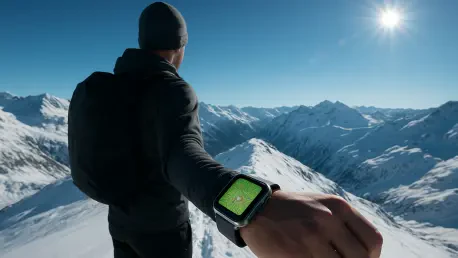
Furthermore, the integration of professional-grade mapping through the Expedition app catered to the growing community of outdoor adventurers. This software provided on-device color maps and waypoint markers, allowing for safe navigation in remote areas without needing a constant cellular connection. By combining cross-platform support with specialized navigation tools, the brand appealed to a much broader demographic of tech enthusiasts.
Navigating the Selection: Which Model Fits Your Lifestyle?
Choosing between the Watch 6 and the GT 7 series required a careful assessment of specific daily needs and long-term goals. For the individual who viewed their watch as a vital diagnostic tool, the Watch 6 Pro stood out due to its superior sensor array and elegant ceramic finish. It was designed for the urban professional who valued high-tech health monitoring just as much as a sophisticated aesthetic.
In contrast, the GT 7 series was engineered for those who prioritized endurance and rugged performance over a wide array of health metrics. With a battery life reaching up to 21 days in power-saving mode, it became the definitive choice for long-distance runners and mountain explorers. The improved GPS accuracy for specialized sports like skiing further solidified its position as a dedicated athletic companion.
Ultimately, the brand succeeded in democratizing advanced technology by offering features like ECG support across more accessible price points in the GT line. This meant that high-end health tracking was no longer restricted to the most expensive flagship models. This tiered approach allowed consumers to select a device that perfectly matched their physical demands and their financial considerations.
The Future of Wearables in a Hyper-Connected World
The expansion of the wearable line through the Watch 6 and GT 7 series solidified the role of smartwatches as indispensable hubs for personal health management and environmental navigation. These devices proved that the separation between fashion and utility had successfully dissolved into a cohesive user experience. The technology moved toward a more proactive model where AI-driven insights aimed to predict health trends before they required medical intervention.
As the industry advanced, the focus remained on refining sensor accuracy and material durability to meet the growing expectations of a global audience. The transition toward open ecosystems suggested that hardware quality and diagnostic precision would continue to be the primary drivers of consumer choice. Ultimately, these releases demonstrated that wearables were no longer just accessories but had become vital tools that understood the user better than ever before.