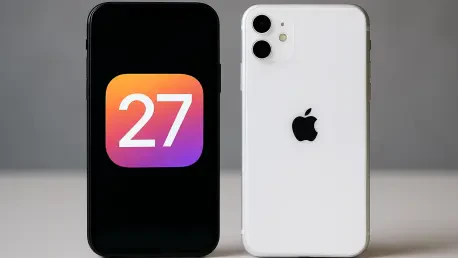

The annual progression of mobile software often brings a mixture of anticipation for new features and a sense of apprehension regarding the longevity of aging hardware components currently in use by millions of people. As the industry prepares for the upcoming Worldwide Developers Conference on June 8, 2026, recent reports suggest that several iconic models may finally be reaching the end of their functional software lifespan. According to emerging leaks from industry analysts and social media insiders, the upcoming iOS 27 update is expected to drop support for the iPhone 11, the iPhone 11 Pro, the iPhone 11 Pro Max, and the second-generation iPhone SE released in 2020. While these devices have demonstrated remarkable staying power by running the current iOS 26 iteration smoothly, the technical demands of the next major operating system appear to exceed the processing capabilities of the A13 Bionic chip. This shift signals a significant transition for users who have relied on these handsets since their initial debut.
The Evolution of Hardware Standards
The transition away from the A13 Bionic architecture reflects a broader strategy of aligning modern software requirements with the advanced neural processing capabilities found in newer silicon generations. Unlike many competitors in the mobile space that offer varying degrees of long-term support, Apple has traditionally maintained a more predictable, though unstated, schedule based on hardware efficiency and security demands. By the time iOS 27 arrives alongside the iPhone 18 in September 2026, the iPhone 11 series will have completed a full seven-year cycle of active service, which remains a high benchmark for the smartphone industry. This development follows a consistent pattern observed during the previous update cycle when the iPhone XS series was retired from the primary support list. Such a move is rarely arbitrary; it usually stems from the need to implement complex features that require the specialized machine learning accelerators and higher RAM capacities found in the iPhone 12 and subsequent models.
Navigating the Transition to Modern Devices
Users currently operating an iPhone 11 or a 2020 SE should have evaluated their hardware strategy to ensure continued access to critical security patches and application updates. While these legacy devices continued to function for basic tasks, the lack of official operating system support eventually exposed owners to vulnerabilities that were addressed only in newer software builds. Strategic upgrades toward the iPhone 12 or more recent iterations provided a necessary bridge to maintain compatibility with the evolving ecosystem of modern services and high-performance applications. Hardware trade-in programs offered a viable path for many to offset the costs of transitioning to newer silicon before the resale value of the older models diminished significantly. Professionals and casual users alike benefited from prioritizing devices equipped with 5G connectivity and enhanced computational photography features that defined the later generations. Taking these proactive steps ensured that personal data remained protected while the user experience stayed consistent.