
The recent unveiling of Apple’s latest smartphone lineup demonstrates that the company has moved beyond simple spec bumps, opting instead to redefine the very hierarchy of luxury through a dual-flagship approach. For the current cycle, the ecosystem has expanded to include the iPhone 18 Pro and iPhone 18 Pro Max alongside the debut of the long-rumored iPhone Ultra. This expansion is not merely about providing more screen sizes; it represents a calculated effort to segment the premium market into those seeking artistic refinement and those demanding a new tier of utilitarian prestige.
By introducing the Ultra as a separate category, Apple has effectively shifted the role of the standard Pro series. While the Pro models formerly represented the absolute ceiling of mobile technology, they now occupy a middle ground that balances high-end performance with aesthetic experimentation. This strategy allows the manufacturer to maintain momentum during periods where hardware breakthroughs are more incremental, using design language to bridge the gap between major technological leaps.
Core Distinctions Between the 18 Pro and Ultra Models
Aesthetic Philosophies and Color Palettes
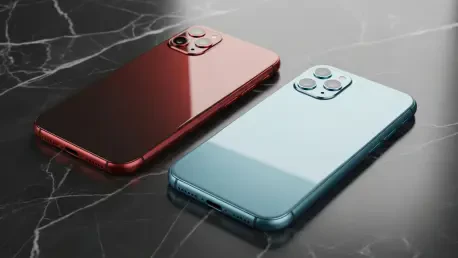
The most immediate difference between these two paths lies in their visual identity and the way they allow for personal expression. Industry insider Ice Universe recently highlighted this divergence through leaked camera plates, revealing that the iPhone 18 Pro series embraces a sophisticated and varied palette. Consumers can choose from deep, rich tones such as Dark Cherry, a refreshing Light Blue, and a highly anticipated Dark Gray that finally provides the true dark finish missing from previous iterations.
In contrast, the iPhone Ultra adopts a strictly utilitarian philosophy that prioritizes status through minimalism. By limiting the Ultra to a binary selection of black and white, the manufacturer emphasizes a professional, no-nonsense aesthetic. This creates a clear psychological divide in the catalog: the Pro models are positioned for users who appreciate “fun” but mature colorways, whereas the Ultra is designed for those who view their device as a discreet, high-performance tool rather than a fashion statement.
Design Refinement and Structural Cohesion
Beyond the colors themselves, the physical construction of the iPhone 18 Pro marks a significant technical evolution in how a smartphone is assembled. The manufacturer has focused on minimizing the tonal contrast between the titanium chassis and the rear glass panel. This specific refinement creates a seamless, unified appearance where the color appears to wrap consistently around the entire body, making the transition from metal to glass nearly invisible to the naked eye.
The iPhone Ultra, while sharing some of these structural improvements, leans more into a ruggedized and distinctive silhouette to justify its position at the top of the product stack. While the Pro series aims for a sleek, jewelry-like finish that emphasizes harmony, the Ultra focuses on presence and durability. This structural divergence ensures that even from a distance, the two tiers are easily distinguishable, reinforcing the prestige of the more expensive model.
Strategic Market Positioning and Hardware Iteration
Market analysts suggest that the iPhone 18 Pro effectively serves as a bridge, or a “filler episode,” in the broader timeline of hardware innovation. Because the internal upgrades are largely iterative, the visual overhaul and the perfection of the color science are the primary drivers for consumer interest. This allows the Pro models to remain relevant and desirable by offering a level of design polish that feels fresh, even if the underlying processor and camera sensors offer only modest improvements over the previous year.
The iPhone Ultra, however, is positioned as the definitive high-end alternative, meant to satisfy early adopters who are less concerned with color variety and more focused on owning the highest tier of the product stack. By separating these identities, the company successfully mitigates the risk of a “boring” hardware year for the Pro models. They have essentially gamified the choice: users either choose the aesthetic versatility of the 18 Pro or the uncompromising, albeit conservatively styled, luxury of the Ultra.
Practical Considerations and Adoption Hurdles
Choosing between these two flagships introduces specific practical challenges that go beyond simple pricing. For the potential iPhone 18 Pro buyer, the hurdle is the realization that they are purchasing a device defined more by its “Dark Cherry” or “Light Blue” finish than by revolutionary internal features. While the seamless design is a marvel of engineering, users seeking a massive jump in functional capabilities may find the iterative nature of the 18 Pro somewhat underwhelming in daily use.
On the other side of the spectrum, the iPhone Ultra presents its own set of limitations regarding self-expression. The monochrome finish, while prestigious, can feel restrictive for a device that costs significantly more than a standard Pro Max. Furthermore, being a first-generation product in its specific tier, the Ultra faces the skepticism often directed at new categories. Users must decide if the cachet of the “Ultra” name is worth sacrificing the vibrant, sophisticated tones that make the 18 Pro such a visual standout.
Final Verdict: Choosing the Right Flagship
The decision between these platforms ultimately rested on whether a user prioritized design flair or utilitarian prestige. The iPhone 18 Pro series succeeded in making incremental hardware feel significant through its Dark Gray and Dark Cherry options, proving that color science and structural cohesion could drive market demand. Meanwhile, the iPhone Ultra established a new baseline for high-end luxury by leaning into a minimalist, black-and-white aesthetic that signaled a shift toward professional-grade hardware.
Moving forward, buyers who valued aesthetic versatility found the 18 Pro to be the more expressive and visually interesting choice. Conversely, those who sought the absolute top tier of the Apple ecosystem gravitated toward the Ultra, accepting its limited color palette in exchange for its status as the most advanced model available. This dual-track strategy effectively ensured that whether a consumer wanted a fashion-forward flagship or a conservative powerhouse, there was a specific, meticulously designed path to follow in the evolving ecosystem.