
High-fidelity immersion no longer requires heavy equipment, as Meta prepares a device featuring 5K micro-OLED displays and pancake optics in a slim form factor. This development represents a significant pivot from the bulky, all-in-one headsets that have characterized the mixed reality sector for years. By prioritizing a lightweight design for its upcoming release in Spring 2027, the company is directly addressing the issue of user fatigue, which remains the single largest hurdle for widespread consumer adoption. Unlike previous iterations that focused primarily on the gaming niche, this new hardware aims for a broader market by functioning as a high-performance wearable computer. The shift reflects an understanding that true spatial computing cannot succeed if the user is constantly reminded of the weight on their face. Consequently, the engineering focus has transitioned from raw, integrated power to a balanced distribution of components, setting a new benchmark for how digital information is layered onto the physical world without compromise.
Engineering the Decoupled Architecture
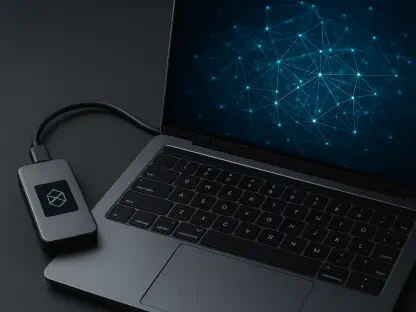
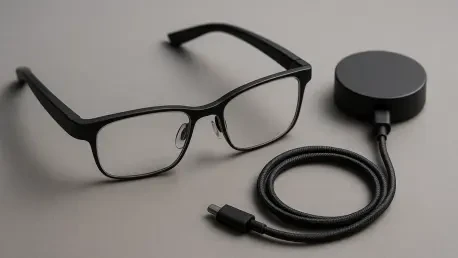
The central innovation of the device lies in its decoupled architecture, which successfully addresses the thermal and weight constraints of previous generations. Weighing only 100 grams, these glasses achieve their slim profile by offloading the processor, battery, and storage to an external compute puck that the user carries in a pocket. This design choice allows the headset itself to remain thin and sleek, resembling oversized eyewear rather than a heavy plastic visor. By removing the battery from the front of the face, engineers eliminated the primary cause of neck strain and heat discomfort during prolonged use. The puck connects via a high-bandwidth, ultra-low latency cable, ensuring that the heavy lifting of spatial mapping and graphics rendering occurs away from the user’s temples. This approach enables the use of high-performance silicon that would otherwise require active cooling fans, which are too loud and heavy for a glasses-like form factor designed for daily utility.
Building on this foundation of weight reduction, the display technology utilizes 5K micro-OLED panels that offer a pixel density previously reserved for much larger, more expensive devices. The inclusion of pancake optics further reduces the distance between the eye and the lens, allowing for a significantly thinner chassis. These optical elements work in tandem with a sophisticated spatial audio system that delivers Dolby Atmos sound through discreetly integrated speakers in the temples. This hardware configuration ensures that the immersive experience remains uncompromised despite the reduction in physical footprint. By focusing on high-fidelity visual output without the bulk of integrated processing, the device provides a visual experience that rivals the most powerful headsets on the market. This transition toward modular hardware components suggests that the industry is moving away from the all-in-one model in favor of more ergonomic, distributed systems that prioritize the comfort of the user.
Transitioning From Gaming to Everyday Utility
The shift in hardware design is accompanied by a broader strategic transition from a gaming-centric ecosystem to a versatile provider of digital tools for productivity and entertainment. These glasses are positioned as a replacement for traditional laptops and monitors, utilizing high-resolution, full-color passthrough to allow digital windows to coexist with the physical environment. Advanced AI integration serves as the backbone of the user interface, utilizing eye tracking and hand gestures to navigate menus without the need for physical controllers. This hands-free approach is critical for the “wearable computer” identity, as it allows users to perform tasks like answering emails, browsing the web, or managing digital schedules while moving through their actual surroundings. By embedding cameras and sensors that interpret the world in real-time, the device acts as a contextual assistant, providing relevant data overlays that enhance daily life rather than just offering a virtual escape into a digital world.
This market positioning directly challenges the premium segment currently dominated by the Apple Vision Pro, but at a more accessible $1,299.99 price point. While competitors have focused on the raw power of an integrated device, Meta is betting that the path to mainstream success lies in a lighter, more stylish design that users are willing to wear for hours at a time. The competition is driving a trend where sophisticated performance must be balanced with the practicality needed for extended use. Developers are already pivoting to create applications that leverage the new form factor, focusing on productivity software, educational tools, and social interactions that feel more natural when the hardware is less intrusive. The goal is to capture a professional audience that requires the power of spatial computing but demands the portability of standard spectacles. This evolution marks the end of the era of cumbersome headsets and the beginning of a future where digital and physical realities are seamlessly merged.
Strategic Integration for the Next Digital Era
The introduction of the new hardware necessitated a total reassessment of how digital ecosystems integrated with human lifestyle habits. Industry experts observed that the most successful implementations of spatial computing were those that minimized the friction between putting the device on and starting a task. Organizations that prepared for this shift by developing lightweight, web-based applications found themselves at a distinct advantage as the platform matured. The focus shifted from creating isolated virtual experiences toward building persistent digital layers that added value to the physical world. Software engineers prioritized low-latency interaction models that responded to natural human movements, effectively training the system to understand subtle cues. This move ensured that the technology felt like an extension of the user rather than an external tool. The market responded favorably to this refinement, as the barrier to entry for non-technical users was significantly lowered by the intuitive nature of the new interface.
The path forward was established through a series of strategic collaborations between hardware manufacturers and software developers to ensure a robust launch library. The industry recognized that the hardware alone was insufficient without a compelling reason to wear it daily, leading to the creation of advanced augmented reality experiences that enhanced professional collaboration. Remote teams utilized the 5K displays to project shared, interactive workspaces that felt as tangible as physical meeting rooms. Stakeholders who invested early in these spatial workflows reported significant increases in productivity and a reduction in the fatigue typically associated with virtual environments. Moving forward, the focus must remain on refining the battery efficiency of the compute puck and expanding the library of contextual AI tools that make the glasses indispensable for a mobile workforce. By embracing this distributed computing model, the technology sector laid the groundwork for a future where high-performance digital tools are as common and as comfortable as a pair of everyday glasses.