



Oscar Vail is a seasoned technology expert who has spent years analyzing how hardware innovations reshape our daily lives. From the precision of high-end robotics to the practical applications of consumer electronics, Oscar evaluates new gadgets through the lens of efficiency, material safety, and engineering. Today, he joins us to discuss a significant shift in kitchen technology, specifically focusing on how hybrid appliances are attempting to solve age-old culinary frustrations through smarter thermal management and non-toxic materials.
Our conversation explores the evolution of the multifunctional kitchen, the integration of high-velocity air frying technology into standard microwave chassis, and the move away from traditional non-stick surfaces toward glass-based cooking systems. We delve into the specific presets designed to eliminate human error and the logistical benefits of a plate-free, easy-to-clean interior design.
Many users find that standard microwaves leave leftovers soggy or unevenly heated. How does the integration of air frying technology specifically address these texture issues while maintaining the speed we expect from a microwave?
The core problem with traditional microwaves is that they heat water molecules from the inside out, often resulting in a limp, steamed texture for items like pizza or bread. by integrating a dedicated air frying component, this device provides the high-velocity hot air needed to crisp the exterior while the microwave function handles the rapid internal heating. It essentially offers a two-in-one solution that keeps your four slices of pizza from turning into a gummy, unappetizing mess. You get that satisfying crunch on the crust and a perfectly melted top, effectively eliminating the trade-off between speed and quality that has plagued kitchen tech for decades. This dual-action approach ensures that the “microwave” label no longer implies a sacrifice in food texture.
Beyond just heating food, this appliance seems to target very specific kitchen tasks through its preset system. Could you elaborate on how these thirteen different modes change the user experience for delicate tasks like melting or soup making?
The versatility here is quite impressive because it moves beyond the generic high-power setting to offer eight microwave and five air fryer presets tailored for specific outcomes. For example, the dedicated modes for softening butter or making soup remove the guesswork that usually leads to splattered messes or burnt edges in a standard unit. It is a sensory improvement as much as a technical one, as you no longer have to hover over the machine to ensure your popcorn isn’t scorching or your frozen dinner isn’t icy in the middle. This level of automation means the internal processor handles the variable power levels required for delicate tasks, making it a reliable tool for more than just a quick reheat. It transforms the appliance into a smart assistant that understands the physical properties of different food groups.
Material safety is a growing concern for many consumers today. What is the significance of using a 5.5-quart glass container instead of the traditional non-stick drawers we see in most air fryers?
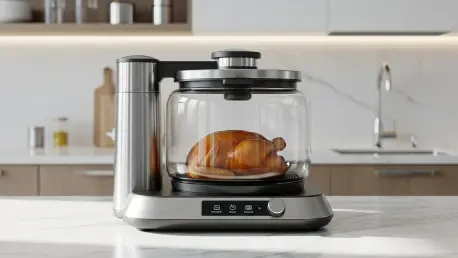
The shift to a non-toxic glass container is a major selling point for those wary of chemical coatings traditionally found in non-stick cookware. This 5.5-quart, or 5.2-liter, deep dish provides enough space to cook an 8lb chicken, which is a substantial volume for a compact countertop appliance. Using glass not only offers peace of mind regarding health but also allows for a much clearer view of the cooking process compared to opaque metal drawers. It feels more like professional-grade equipment, and the fact that the glass is resealable means you can move the container straight from the appliance to the refrigerator, significantly reducing the number of dishes you have to clean. It represents a move toward more sustainable, transparent materials in high-heat environments.
Looking at the maintenance and physical design, how does removing the rotating plate and using dishwasher-safe components impact the long-term utility of the device?
One of the most frustrating aspects of microwave ownership is cleaning the grime that builds up under the rotating glass plate and its small wheels. By eliminating that rotating mechanism entirely, the interior becomes a flat, easy-to-wipe surface that saves a significant amount of time and manual effort. Both the main glass dish and the crisper plate can be tossed directly into the dishwasher, which is a huge relief for anyone who cooks frequently and hates the cleanup. These design choices reflect a deep understanding of user pain points, turning a common kitchen chore into a streamlined, efficient process. At a price point of $449, these small engineering refinements are what justify the investment for a high-end, integrated kitchen setup.
What is your forecast for the future of hybrid kitchen appliances?
I believe we are entering an era where the single-purpose appliance will become a relic of the past as kitchens shrink and consumers demand more versatility. We will likely see more brands following this lead, integrating sensors that can detect moisture levels in real-time to adjust between microwave and convection modes automatically. The $449 entry point is just the beginning; as this technology scales and more brands enter the fray, these multi-functional units will become the standard, eventually replacing the standalone microwave entirely. We are moving toward a smart kitchen ecosystem where one device can handle everything from a delicate 8lb roast to a simple bowl of soup with the push of a single button.







