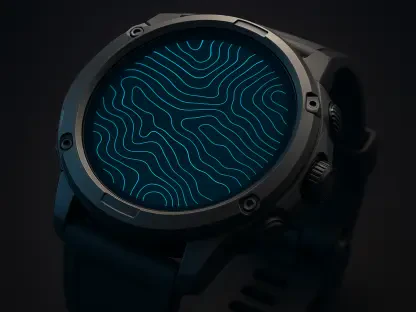

Experts monitoring Google’s hardware pipeline have found no internal data to support the existence of a Pixel-branded tracker that doubles the battery life of current Fitbit models. The emergence of reports regarding a device codenamed “AURA” has sparked significant interest, yet these claims remain unsubstantiated by verifiable leaks from industry sources or regulatory filings. In the current landscape of wearable technology, a leap in power efficiency of this magnitude would typically require a fundamental shift in battery chemistry that has not yet materialized in commercial production. While the idea of a minimalist tracker carrying the premium Pixel branding is appealing to those who find standard smartwatches bulky, the technical specifications being circulated suggest a level of performance that outpaces engineering realities. Analysts suggest these rumors originated from speculative renders rather than internal documentation or supply chain activity in the current market environment cycles.
Supply Chain Realities: Tracking Component Data
Deep dives into the logistics networks that service Google’s manufacturing partners have failed to uncover any manifests for unique display modules or chassis components associated with the AURA project. Typically, when a new device enters late development, specific orders for sensors and specialized glass appear in trade records, yet the current inventory remains focused on the established Pixel Watch 3 and upcoming iterations of the Fitbit series. Furthermore, the specialized assembly lines required for a hybrid device that blends high-end aesthetics with endurance-focused hardware show no signs of retooling. The absence of these industrial markers is a strong indicator that the device does not exist in physical form beyond early conceptual sketches. If such a product were slated for a near-term release, the thermal management components and customized bio-sensors would have already triggered alerts within the broader monitoring community across the global supply chain for months now.
Moreover, the alleged integration of a low-power micro-OLED panel that supposedly contributes to the device’s battery life contradicts the current purchasing agreements Google has maintained with its primary display vendors. Analysis of the latest driver updates within the Wear OS ecosystem also reveals a lack of support for the unique resolution and aspect ratio described in the AURA leaks. Software engineers working on the unified platform have noted that all current development focuses on optimizing the existing sensor suite for accuracy rather than supporting a completely new hardware branch. This disconnect between rumored hardware capabilities and the actual software infrastructure indicates that the reports may be a fabrication designed to drive traffic. Historically, Google has utilized a very predictable codename system for its wearables, and the term AURA does not align with the themes that have dominated recent projects, further casting doubt on the legitimacy of these leaked rumors.
Strategic Brand Analysis: Evaluating the Fitbit Integration
The strategic roadmap for the wearable division has recently centered on the total absorption of biometric capabilities into the Wear OS environment, making a standalone Pixel tracker redundant. By maintaining a clear distinction between the high-performance Pixel Watch and the long-lasting Fitbit bands, the company effectively captures different consumer segments without cannibalizing sales. Introducing a middle-tier device like the rumored AURA would likely confuse the brand identity that marketing teams have worked to establish over several cycles. Market research indicates that users who prioritize multi-week battery life are willing to sacrifice the deep app integration found in the Pixel ecosystem, while those seeking the full Google experience accept the need for more frequent charging. Attempting to bridge this gap with a single device that offers the best of both worlds would require a level of optimization that currently eludes even the most sophisticated silicon designs available today.
The tech community eventually recognized that the hype surrounding the AURA device was largely unfounded, as no physical evidence ever moved beyond the realm of digital speculation. It became clear that the most effective strategy for those seeking improved battery life involved engaging with existing power management tools and optimizing device settings according to usage patterns. Developers shifted their attention toward creating more efficient applications that minimized background synchronization, which provided a more immediate solution than waiting for a hardware breakthrough. Rather than holding out for a mythical product, the most informed decision involved investing in the current ecosystem while anticipating the incremental but reliable improvements scheduled for the next hardware cycle. This measured perspective allowed users to appreciate the genuine innovations in health monitoring that were actually available. By focusing on verified roadmaps, the industry moved toward a stable understanding.