
The annual Prime Day shopping window, scheduled for June 23 through June 26, represents a significant opportunity for technology enthusiasts to acquire sophisticated health-monitoring hardware at reduced price points. In the current retail environment, the distinction between genuine discounts and temporary marketing adjustments has become increasingly blurred, necessitating a methodical approach to evaluating seasonal offers. Consumers frequently encounter “inflated discounts” where listed percentage drops are calculated against historical suggested prices rather than the actual market value of the preceding months. To navigate this complexity, the use of historical price tracking tools and expert performance reviews remains essential for identifying when a wearable device has truly reached its lowest price point. Professional testers prioritize empirical data and long-term durability over the flashy advertising campaigns that often dominate these high-traffic sales periods, ensuring that the selected devices provide functional longevity rather than just short-term savings.
Strategic Consumer Planning: Maximizing Value Through Financial Tools
Identifying Authentic Value: The Role of Price Tracking
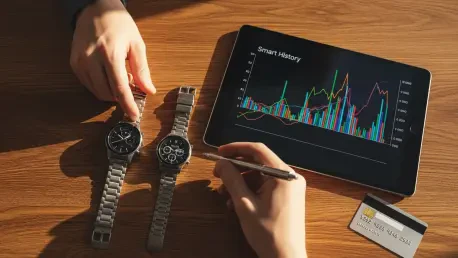
Navigating the landscape of modern e-commerce during a major sales event requires more than a casual glance at a checkout page. Many retailers utilize dynamic pricing models that can fluctuate several times within a single day, making it imperative for smart shoppers to utilize independent verification platforms. These platforms provide a visual history of a product’s cost, revealing whether a “lightning deal” is a rare occurrence or merely a return to a standard promotional price that appears every few weeks. By analyzing these trends, experts can determine the cyclical nature of tech hardware pricing, allowing consumers to distinguish between a clearance event for an outgoing model and a meaningful reduction on a current flagship device. This level of scrutiny is particularly important for high-end fitness trackers, where the difference between a 10% and 40% discount can amount to hundreds of dollars in savings for the end user.
Financial Optimization: Leveraging Healthcare Savings Accounts
A sophisticated strategy for maximizing personal health investments involves the application of Health Savings Accounts (HSA) and Flexible Spending Accounts (FSA) toward the purchase of wearable technology. In 2026, the criteria for medical eligibility have expanded significantly as brands like Apple, Google, and Samsung have integrated clinical-grade sensors that meet regulatory standards for health monitoring. Many leading smartwatches now qualify as medical expenses if they are primarily used to monitor chronic conditions or follow a prescribed wellness plan, allowing users to spend pre-tax dollars on their purchases. This effectively lowers the total cost of ownership by up to 30%, depending on a person’s tax bracket, providing a deeper financial benefit than many direct retail discounts. Combining these tax-advantaged funds with Prime Day price reductions creates a powerful synergy for those looking to upgrade their health ecosystems without straining their personal budgets.
The Evolution of Smart Rings: Analyzing Market Shifts
Comparing Generational Shifts: The Case for Previous Models
The smart ring market is currently experiencing a major transition, primarily fueled by the recent introduction of the Oura Ring 5. This release has caused a significant downward pressure on the pricing of the Oura Ring 4, which is currently seeing price reductions as high as $240 during the June sales event. While the newer generation offers a slightly more refined aesthetic and a thinner profile, the technical specifications of the preceding model remain remarkably competitive. Because the manufacturer continues to provide consistent software updates and advanced biometric analysis to both versions, the older hardware offers a superior price-to-performance ratio for users who are focused on data accuracy rather than purely on industrial design. This trend highlights a broader industry reality where the second-to-newest hardware often represents the peak value for informed consumers who recognize that software parity can extend the life of a physical device.
Subscription-Free Alternatives: Evaluating Long-Term Ownership Costs
For individuals who are wary of the recurring monthly fees that have become standard in the wearable industry, subscription-free alternatives like the RingConn are gaining significant traction. While market leaders often lock deep analytical insights behind a paywall, these alternative rings offer a transparent ownership model where the initial purchase price covers all available features. Although these devices might lack some of the aesthetic polish or the complex AI-driven stress-tracking found in high-end ecosystems, they excel in providing consistent sleep monitoring and basic biometric data. These budget-friendly options serve as a low-stakes entry point for newcomers who wish to explore the benefits of wearable health technology without committing to a long-term financial obligation. During major sales windows, these already affordable rings often see further price drops, making them an ideal choice for those who prioritize simplicity and financial predictability in their wellness journey.
Dominant Smartwatches: Integrating Advanced Health Metrics
Ecosystem Synergy: Flagship Performance and Clinical Monitoring
Flagship smartwatches such as the Apple Watch Series 11 and the Samsung Galaxy Watch 8 continue to serve as the benchmark for comprehensive health integration in 2026. The Series 11 remains the gold standard for users deeply embedded in the iOS ecosystem, offering seamless data synchronization and a robust suite of safety features. Meanwhile, the Apple Watch Ultra 3 has carved out a niche for more demanding users by introducing specialized capabilities like sleep apnea detection and hypertension monitoring. On the Android side, Samsung’s latest offerings provide unique biometric sensors, such as an Antioxidant Index and a personalized Running Coach that adapts in real-time based on the wearer’s metabolic performance. These devices represent the pinnacle of consumer health technology, blending everyday convenience with the kind of sophisticated data collection that was once reserved for clinical environments.
Power User Tools: AI Insights and Rugged Durability
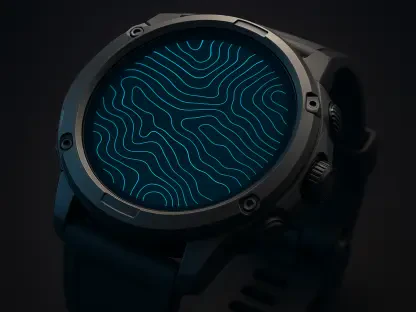
Google’s Pixel Watch 4 has distinguished itself this year by moving beyond simple data display, instead utilizing Gemini AI to provide context-aware health insights that explain the “why” behind a user’s biometrics. Rather than just reporting a high heart rate or a poor sleep score, the integrated AI analyzes environmental factors and activity levels to offer actionable advice on recovery and performance. For the most dedicated athletes and outdoor enthusiasts, the Garmin Fenix 8 Pro remains the undisputed choice due to its rugged titanium build and specialized features like a built-in LED flashlight and multi-sport sensor syncing. These high-performance tools are designed to withstand extreme conditions while providing professional-grade accuracy for training sessions that range from high-altitude hiking to deep-sea diving. During the Prime Day window, these premium devices often see substantial price cuts, making professional-grade gear accessible to a wider range of enthusiasts.
The Wellness Frontier: Future Trends in Wearable Tech
Hearable Innovations: Expanding Beyond the Wrist
The definition of wearable health technology is rapidly expanding to include the ears, with devices like the AirPods Pro 3 incorporating clinical-grade hearing aid functions alongside traditional heart rate tracking. This shift toward “hearable” technology allows users to monitor vital signs and manage auditory health discreetly throughout the day without the need for a visible wrist-based device. Furthermore, the inclusion of sophisticated recovery tools, such as the Theragun and other percussive therapy devices, in mainstream health roundups reflects a more holistic approach to personal wellness. Post-workout care is now treated with the same level of importance as the training session itself, leading to a surge in demand for integrated ecosystems that track both exertion and recovery. This convergence of hardware categories ensures that consumers can build a comprehensive wellness toolkit that addresses every aspect of physical and mental health.
Clinical Data Maturation: The Shift Toward Medical Grade Hardware
The overarching trend throughout 2026 indicates that wearables are becoming increasingly medical-adjacent, with manufacturers seeking FDA clearance for a wide array of monitoring functions. Devices are no longer just fitness trackers; they are early-warning systems capable of detecting serious conditions like atrial fibrillation with a high degree of confidence. AI integration has evolved from a simple marketing gimmick into a functional layer of the user experience, translating complex biometric charts into understandable health narratives. This shift toward clinical maturity means that the best values during major sales events are frequently found on previous-generation flagship models. These devices often maintain software parity with the latest releases and benefit from the same cloud-based AI improvements, allowing consumers to access top-tier health monitoring at a fraction of the cost of the newest hardware.
Practical Considerations for Future Health Technology Acquisition
Consumers utilized the 2026 shopping window to transition from basic activity tracking toward sophisticated clinical monitoring. Experts observed that the most successful buyers were those who prioritized long-term software support and ecosystem compatibility over the allure of minor hardware iterations. The market shifted toward a more mature understanding of data, where the value of a device was measured by its ability to provide actionable medical insights rather than simple step counts. Individuals who leveraged tax-advantaged accounts found that the total cost of high-end wearables became significantly more manageable, allowing for the adoption of more advanced sensors. Moving forward, the integration of AI-driven analysis and the expansion of hearable technology will continue to redefine how personal health is managed. Potential buyers should maintain a focus on historical price trends and clinical certifications when selecting their next piece of hardware. This data-driven approach ensured that the technology acquired during this period remained relevant and functional for several years of daily use.