
The rapid evolution of the Indian smartphone market has reached a point where flagship-grade fluidity is no longer exclusive to expensive devices. Realme has capitalized on this trend by launching the Narzo 100 Lite and the P4 Lite, two handsets that challenge the traditional boundaries of the budget segment. While these models appear to be different entries in the brand’s expansive portfolio, they are fundamentally identical twins designed to dominate specific retail channels. This strategy allows the company to cater to diverse consumer demographics while maintaining a unified hardware standard that prioritizes extreme battery life and high-speed display performance.
Overview of Realme’s Budget Lineup and Strategic Rebranding
The introduction of the Narzo 100 Lite marks a deliberate expansion into the sub-$150 price bracket, where competition for consumer loyalty is fiercest. By utilizing regional rebranding, Realme offers the same robust internals under the Narzo, P-series, and even C-series labels to suit different market niches. The Narzo 100 Lite specifically targets the digital-first audience on platforms like Amazon India, whereas the P4 Lite serves alternative distribution networks.
This approach ensures that specialized hardware reach users who need it most without inflating manufacturing costs. Both devices are engineered to provide a high-end feel through features like advanced cooling and massive power reserves. Consequently, the choice between them often boils down to where a buyer prefers to shop rather than any actual difference in the user experience or technical capabilities.
Analyzing Technical Specifications and Performance Metrics
Display Innovation and Visual Fluidity
Visual performance is a primary focus for both the Narzo 100 Lite and the P4 Lite, as they both feature a 6.8-inch HD+ LCD panel. The standout specification here is the 144Hz refresh rate, a rarity at the INR 13,499 price point. This high frequency ensures that animations and scrolling remain buttery smooth, providing a significant advantage for mobile gamers. Moreover, with 900 nits of peak brightness and specialized touch technology, the screen remains responsive and legible even when used with wet hands in outdoor environments.
Processing Power and Software Integration
Efficiency is handled by the MediaTek Dimensity 6300 chipset, which is paired with 6GB of RAM and 128GB of internal storage. Running on Realme UI 7.0 based on Android 16, these phones provide a modern software environment with the latest security features. To keep the system stable, Realme integrated a 5,300 mm² Airflow VC Cooling system. This thermal solution is vital for preventing performance drops during long sessions, ensuring the device remains cool even when pushed to its limits.
Power Management and Durability Standards
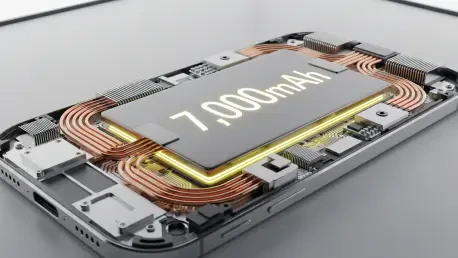
The hardware is defined by a colossal 7,000 mAh battery, which easily supports multi-day usage for the average person. Although the 15W charging speed is on the slower side, the inclusion of bypass charging allows users to play games while plugged in without straining the battery. Additionally, both models carry an IP64 rating, offering reliable protection against dust and splashes. This level of durability combined with reverse wired charging makes the phone a versatile tool for those who spend significant time away from power outlets.
Practical Limitations and Market Considerations
Prospective buyers must acknowledge certain trade-offs that come with such a specialized focus on battery and display speed. The 15W charging rate means that fully replenishing the 7,000 mAh cell takes a considerable amount of time compared to devices with faster standards. Furthermore, the camera system is basic, utilizing a 13MP main sensor and a 5MP front lens, which might not satisfy those looking for high-resolution photography. While the 144Hz rate is impressive, the HD+ resolution is less sharp than the Full HD+ screens found on premium rivals.
Final Verdict and Consumer Purchase Guidance
The decision between the Narzo 100 Lite and the Realme P4 Lite ultimately rested on which storefront offered the best immediate deal, as the internal hardware remained identical. Users who valued endurance above all else found the 7,000 mAh capacity to be a game-changer for long-distance travel and intensive daily routines. Moving forward, consumers should look for future iterations that might bridge the gap between massive battery size and faster charging speeds. For anyone needing a reliable workhorse in the budget tier, this hardware platform proved that specialized performance could be achieved without a flagship investment.