
Oscar Vail is a distinguished technology expert whose work at the intersection of high-performance mobile hardware and emerging artificial intelligence has made him a leading voice in the industry. With a career dedicated to exploring how robotics, open-source development, and next-generation processing power reshape our daily lives, he provides deep insights into the rapid evolution of consumer electronics. Our discussion focuses on the groundbreaking shift toward massive battery capacities in mobile devices, the integration of secondary processing chips to enhance visual fidelity, and the aggressive pursuit of professional-grade imaging hardware in the latest flagship models. We also explore how these technological leaps impact device durability and the ever-escalating price points of premium mobile technology.
With reports suggesting that high-capacity mobile batteries are now scaling toward the 8,000mAh range, what does this shift mean for the user experience and the physical design of modern smartphones?
The jump to a capacity that lands between 8,000mAh and 9,000mAh represents a monumental shift in how we perceive mobile endurance. While previous iterations like the K90 Max already pushed boundaries with an 8,550mAh cell, moving these high-density batteries into a mainstream flagship requires incredible engineering to maintain a sleek, Apple-inspired aesthetic. For the user, this means moving away from the anxiety of daily charging, even when utilizing power-hungry features like 50W wireless charging. We are seeing a new standard where 100W wired speeds are necessary just to keep the downtime manageable for such a massive reservoir of power. It creates a heavy, premium feel in the hand that signals both durability and the raw potential of the hardware inside.
The inclusion of a “dual-core platform” alongside a high-refresh-rate display suggests a new level of mobile gaming. How do you see these internal components working together to redefine performance?
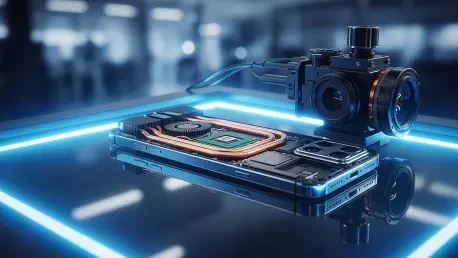
The synergy between a primary chipset like the Snapdragon 8 Elite Gen 5 and a secondary chip, such as the Xiaomi D2, is essential for driving the next generation of mobile visuals. By offloading specific AI compute tasks to this additional chip, the device can effectively upscale and smooth out graphics to meet the staggering demands of a 185Hz “Ultra-clear” display. This dual-core approach prevents the main processor from overheating while ensuring that games feel incredibly fluid and responsive to the touch. It transforms the smartphone from a general-purpose tool into a specialized gaming powerhouse that can maintain peak performance for extended sessions. Users will notice a crispness in motion that was previously reserved for high-end desktop monitors, all contained within a portable frame.
Mobile photography is reaching new heights with 200MP sensors and specialized telephoto modules. What is your take on the hardware trajectory we are seeing with these upcoming flagship imaging systems?
We are witnessing an aggressive hardware arms race where the goal is to bridge the gap between mobile convenience and professional photography. The standard Pro model is already impressive with its 200MP main camera and 50MP telephoto macro lens, but the leap to the Pro Max variant with a 1/1.28” sensor is where things get truly serious. Incorporating a 50MP periscope lens allows for incredible optical reach without losing the fine textures of the subject. These massive sensors capture an immense amount of light and detail, which is necessary to feed the AI-driven processing handled by the Snapdragon chips. However, this level of sophisticated glass and silicon is clearly driving up manufacturing complexity, which is a major factor in the worrying price increases we are hearing about.
What is your forecast for the future of flagship mobile devices as they begin to integrate ultra-high refresh rates and next-generation chipsets like the Snapdragon 8 Elite Gen 6?
I believe we are entering a phase where the “Pro Max” tier will become a distinct category of ultra-performance machines that push the limits of what a pocketable device can do. The transition from Gen 5 to the Snapdragon 8 Elite Gen 6 will likely coincide with even more robust build standards, such as full IP69 waterproofing and ultrasonic fingerprint security. We will see a shift toward devices that are virtually indestructible and capable of replacing dedicated cameras and gaming consoles entirely. As battery capacities stabilize around the 8,000mAh mark, the industry’s focus will shift toward optimizing the software to make use of this massive overhead. The challenge for manufacturers will be justifying the premium cost to consumers who expect these “Ultra-clear” experiences to be both revolutionary and reliable.