


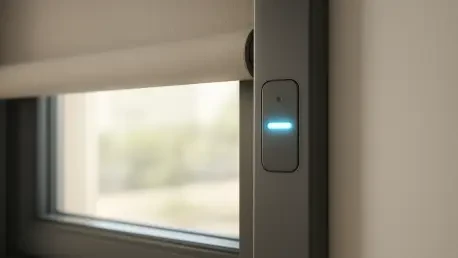

The U.S. Department of Energy identifies residential windows as primary sources of thermal loss in winter and heat gain during the summer months. This persistent challenge has spurred a technological transformation in the fenestration industry that was once characterized by stagnant mechanical improvements and passive insulation methods. For decades, advancements were limited to minor tweaks in glazing layers or frame durability, while other home systems, such as lighting and climate control, underwent rapid digitization. However, as of 2026, the landscape has shifted toward active, connected components that serve as the intelligent eyes and lungs of the modern home. The emergence of four primary pillars—connectivity sensors, automated shading, electrochromic glass, and integrated environmental monitoring—has elevated windows from passive openings to vital participants in the smart home ecosystem. Homeowners now prioritize these innovations as essential tools for managing energy costs and achieving a deeper level of residential security in an increasingly connected world.
Optimizing Home Performance and Protection
The primary motivation for integrating smart technology into windows centers on transforming the building envelope from a static barrier into an adaptive shield. This evolution is necessitated by the rising costs of energy and the increasing demand for precise climate control within the modern household. By viewing the home perimeter as an interconnected network, property owners can achieve a level of environmental mastery that was previously impossible. This involves more than just installing simple sensors; it requires a systemic shift in how we perceive the relationship between the interior sanctuary and the exterior world. As these technologies become more accessible, the focus has moved toward creating a seamless interface where windows react to sunlight and security threats without requiring constant manual intervention. This proactive approach ensures that the residence remains optimized for both comfort and safety, marking a departure from the reactive maintenance habits of the past.
Strategic Energy Efficiency: The Impact of Automation
The shift from manual adjustments to automated climate response represents a critical advancement in lowering the carbon footprint of individual households. Automated shading systems and dynamic electrochromic glass serve as a first line of defense against solar heat gain by blocking infrared rays before they can infiltrate the interior. Instead of relying on a resident to remember to close blinds on a sweltering afternoon, these systems utilize light sensors to adjust themselves autonomously. By keeping the interior naturally cooler, the cooling demand placed on HVAC systems is significantly mitigated, leading to measurable reductions in utility expenses. Furthermore, integrated sensors allow the building envelope to communicate with the thermostat, ensuring that windows are not just passive barriers but active contributors to thermal regulation. This synergy between the glass and the HVAC system creates a more stable environment and extends the lifespan of expensive climate control hardware.
Strengthening the Residential Security Mesh
Modern security architecture has evolved to treat every window as a proactive node within a digital network, effectively closing vulnerabilities that have existed for generations. Traditional safety measures often relegated windows to “monitored afterthoughts,” focusing primarily on motion sensors and front-entry door locks. Today, however, manufacturers embed connectivity sensors directly into the frame during production, allowing for a seamless integration that is far more difficult for intruders to bypass. This connectivity provides homeowners with the ability to verify the locked status of every perimeter opening through an intuitive smartphone interface. Beyond simple anti-theft functionality, these systems provide environmental security by alerting residents if a window is left open during an unexpected storm. The resulting psychological peace of mind, combined with the hardening of the exterior, represents a new standard in residential protection that was once reserved for high-end commercial properties.
Balancing Innovation with Structural Quality
Achieving a balance between digital features and traditional building physics is essential for any long-term home improvement strategy. While the allure of automated tinting is strong, these innovations are only as effective as the physical unit they inhabit. The industry emphasizes a “fundamentals first” approach, which dictates that the structural integrity of the frame and the thermal performance of the glass must meet high standards before electronics are introduced. This philosophy protects homeowners from investing in high-tech solutions that cannot overcome basic mechanical flaws like air infiltration or water leakage. By focusing on the marriage of high-R-value materials and precise installation, the industry ensures that smart windows provide a legitimate functional benefit rather than serving as a temporary novelty. This synergy creates a robust envelope that maintains its performance for decades, regardless of how the underlying software or connectivity protocols might change in the coming years.
The Foundation: Material Integrity and Craftsmanship
One of the most vital considerations for any property owner is the understanding that high-tech sensors cannot compensate for fundamental structural failures. The industry consensus is that smart features must function as a secondary layer built upon a foundation of superior material quality and professional installation. A window equipped with advanced electrochromic tinting remains an energy liability if the frame is warped or if the seal between the panes has failed. Air leakage through poor craftsmanship renders even the most sophisticated digital response systems ineffective, as the thermal transfer continues regardless of the glass tint. Therefore, the selection process must prioritize high-performance glazing and durable materials like reinforced fiberglass or thermally broken aluminum. Ensuring an airtight seal during installation remains the most important factor in window performance. Without this mechanical excellence, digital components are reduced to mere gadgets rather than effective and sustainable home improvement tools.
Choosing Between Retrofitting and Integrated Replacement
Navigating the upgrade path requires a strategic choice between adding technology to existing frames or replacing units with factory-integrated systems. Retrofitting serves as a cost-effective entry point for those with relatively new windows that are still structurally sound and thermally efficient. This method involves the installation of third-party motorized blinds or external sensors that can be synced with common smart home platforms. While functional, retrofitting often lacks the sleek aesthetic and deep integration of a full replacement. In contrast, integrated replacement units house all sensors and wiring within the frame, protecting them from wear and offering a cleaner look. This path is necessary for those who desire advanced glass technologies, such as panes that transition from clear to opaque at the touch of a button. Although the initial investment is higher, the long-term reliability and increased property value justify the expense for those looking to modernize their building envelope comprehensively.
Navigating the Path to Home Automation
Navigating the complex landscape of smart home automation requires a forward-thinking approach that prioritizes longevity and ease of use. As more manufacturers enter the market with competing standards, the burden of ensuring a cohesive system falls on the consumer. The goal is to build a window system that not only enhances the current living experience but also remains relevant as the broader smart home ecosystem matures. This involves careful consideration of how components communicate and how they will be maintained over a typical twenty-year lifecycle. Successful implementation relies on understanding the trade-offs between various integration methods and the potential risks of digital obsolescence. By adopting a framework that values interoperability and physical fail-safes, homeowners can avoid the frustrations of “bricked” hardware and ensure that their investment delivers value. This strategic planning is the final piece in creating an intelligent, responsive, and truly modern residential environment.
Ensuring Interoperability and Future Connectivity
As the smart home market expands through 2026 and beyond, the risk of technical obsolescence has become a primary concern for savvy investors. To mitigate the possibility of hardware becoming non-functional if a manufacturer ceases support, buyers must look for products that utilize open-standard communication protocols. Systems that support universal languages like Matter or Zigbee offer more flexibility than those locked into proprietary closed ecosystems. This interoperability ensures that windows can communicate with various third-party devices, such as thermostats and security cameras, regardless of the brand. Furthermore, a critical design requirement for any connected window is the inclusion of manual fail-safes. In the event of a power outage or a localized internet failure, the homeowner must still be able to operate the shades and locks manually. Choosing systems that prioritize these redundant operational modes protects the long-term utility of the investment and ensures the home remains functional at all times.
Final Synthesis: Actionable Strategies for Long-Term Implementation
The evolution toward an active building envelope demonstrated that the most effective residential upgrades were those that balanced digital innovation with fundamental physics. Research into successful modernizations showed that homeowners who prioritized airtight seals and high-performance glass achieved the highest return on investment through energy savings. Experts concluded that the integration of automated sensors provided a layer of adaptive intelligence that significantly reduced human error in home management. The industry observed that focusing on interoperable systems, such as those compatible with the Matter protocol, prevented the early obsolescence that plagued previous generations of smart gadgets. Furthermore, successful implementations relied on professional installations that treated the window not just as a piece of glass, but as a critical node in a larger security network. These findings established a clear roadmap for anyone looking to modernize their living space, ensuring that the synergy between physical durability and smart logic remained a lasting standard for excellence.







