
The global smartphone landscape recently shifted as a titan of mobile photography finally stepped beyond its regional borders to challenge the established dominance of traditional flagship manufacturers. This arrival signifies more than just a new product launch; it represents a bold declaration of intent from a brand that has spent years refining its imaging capabilities in a competitive domestic environment. Consumers worldwide have long sought an uncompromising device that prioritizes professional-grade hardware while maintaining the aesthetic elegance expected of a premium accessory.
The objective of this exploration is to examine the specific attributes that define this new hardware era, focusing on the sophisticated design choices and massive technical leaps in optical engineering. Readers can expect an in-depth look at how the device balances extreme performance with daily usability, especially regarding its unique physical presence and high-resolution interface. By addressing the most pressing questions surrounding its global debut, this guide provides clarity on whether this ambitious hardware truly fulfills the promise of a superior photographic tool.
Key Questions or Key Topics Section
What Makes the Victory Green Aesthetic a Defining Feature for Modern Users?
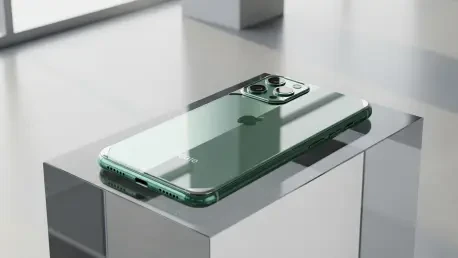
Modern smartphone design often fluctuates between safe minimalism and gaudy excess, yet the Victory Green variant finds a sophisticated middle ground through its unique split-tone glass construction. The upper portion of the rear panel utilizes a soft pastel green that transitions seamlessly into a complementary shade at the base, creating a visual depth that stands out in a crowded market. This dual-tone approach is paired with a high-gloss finish that, surprisingly, resists the accumulation of fingerprints and smudges that typically plague glass-backed devices.
Beyond the color, the structural materials contribute significantly to the premium tactile experience of the handset. A matte-finished aluminum frame provides a sturdy backbone, offering a textural contrast to the smooth glass while ensuring the device feels substantial and durable. The inclusion of a color-matched protective case in the retail package further emphasizes a commitment to a cohesive fashion identity, allowing the user to protect their investment without sacrificing the carefully crafted visual appeal of the original design.
How Does the Advanced Display and Sensor Suite Enhance the User Experience?
Visual immersion is achieved through a massive 6.82-inch LTPO AMOLED panel that pushes the boundaries of current display technology with a crisp 3,168×1,440-pixel resolution. The high pixel density ensures that every photograph and video is rendered with lifelike detail, while the 144Hz refresh rate provides fluid navigation that feels instantaneous. This front-facing interface is not just about raw specs; it serves as a high-fidelity viewfinder for the powerful camera system housed on the opposite side.
Security and convenience are addressed by an ultrasonic fingerprint sensor embedded beneath the glass, which offers faster and more reliable authentication compared to traditional optical alternatives. This sensor technology works effectively even with wet fingers, bridging the gap between high-tech security and practical everyday usage. Combined with a 50MP front-facing camera tucked neatly into a centered punch-hole, the interface manages to remain clean and functional while housing some of the most sophisticated components currently available in the mobile industry.
Can the Metal-Biscuit Camera Module Justify the Ergonimic Trade-offs?
The most striking physical characteristic of the device is undoubtedly the “Metal-Biscuit Style” camera island, a circular protrusion that houses an unprecedented array of optical sensors. Dominating this space is a 200MP primary sensor and a massive 200MP periscope telephoto lens, designed to capture distant subjects with clarity that was previously impossible for a mobile device. While the 50MP ultrawide sensor rounds out the kit, it is clear that the focus remains on pushing the limits of zoom and detail.
However, housing such massive glass elements results in a top-heavy weight distribution that necessitates a different handling approach. Users with smaller hands might find one-handed operation challenging, as the center of gravity sits noticeably high due to the sheer volume of the camera hardware. Despite these ergonomic considerations, the tactile feedback of the physical buttons and the overall rigidity of the build suggest that the trade-off is a calculated move to prioritize professional-grade imaging over slimness or lightweight portability.
Summary or Recap
The arrival of the first international Ultra model from this manufacturer marks a significant turning point in the availability of high-end mobile technology. By combining a 144Hz LTPO display with a revolutionary 200MP periscope lens, the device caters to a specific demographic that refuses to compromise on creative potential. The Victory Green colorway and split-tone glass design provide a distinct visual identity that matches the high-performance internals, while the matte aluminum frame ensures structural integrity.
Key takeaways include the impressive resilience of the glossy back against smudges and the superior speed of the ultrasonic fingerprint sensor. While the massive camera module creates a top-heavy feel, the sheer quality of the images produced justifies the bulk for photography enthusiasts. This hardware represents a fusion of fashion and function, packaged within a global release that finally brings elite-tier imaging to a much wider audience of tech-savvy consumers.
Conclusion or Final Thoughts
The decision to transition a flagship of this caliber to the international stage reflected a growing confidence in the global demand for specialized mobile photography tools. Such a move paved the way for users to move beyond standard point-and-shoot capabilities, toward a more intentional and artistic form of digital capture. Those who prioritize high-resolution optics would have found the ergonomic shift a minor price to pay for the versatility offered by a 200MP periscope system.
Looking ahead, the integration of such large-scale sensors will likely continue to influence how manufacturers balance battery capacity and weight distribution. For individuals seeking to elevate their visual storytelling, considering how these professional-grade components fit into their daily workflow is essential. Moving toward more specialized hardware often requires a shift in how one interacts with their device, emphasizing that the most powerful tools frequently demand a more deliberate and thoughtful approach to design and utility.