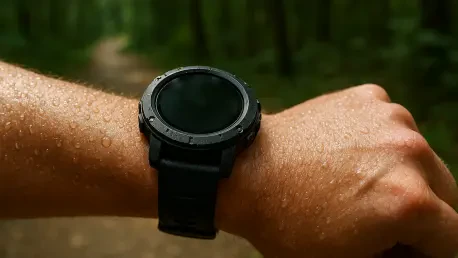

Market trends suggest that specialized features and proven reliability often outweigh the consumer desire for the newest technical bells and whistles. As the athletic community enters the height of marathon season, the intersection of technological innovation and peak physical performance becomes increasingly evident in the choices athletes make for their wrist-worn companions. The modern fitness landscape is no longer satisfied with simple step counting or basic GPS tracking; instead, there is a profound movement toward holistic health monitoring and environmental resilience. Major retail events continue to drive this momentum, making advanced wearables accessible to a broader demographic of fitness enthusiasts. Garmin has strategically positioned itself at the center of this evolution by diversifying its product lineup to meet the specific demands of various athletic disciplines. From deep-sea divers to ultra-marathoners, the brand provides tailored solutions that transform raw data into actionable training insights, ensuring that every user finds a device that aligns with their personal journey.
High-End Performance for Power Users
Defining the Pinnacle of Rugged Luxury
The Garmin Fenix 8 Pro represents a significant milestone in the convergence of aesthetic appeal and industrial-grade durability, often drawing comparisons to the most advanced flagship smartphones on the market. This model is engineered for individuals who refuse to compromise on visual clarity or structural integrity, featuring a vibrant AMOLED display that remains legible even under the harsh glare of direct sunlight. Beyond its external hardware, the device offers a staggering 15-day battery life, which serves as a critical asset for power users embarking on multi-day expeditions. A standout feature that elevates this model above its predecessors is the integration of inReach satellite communications, providing a layer of safety that was once reserved for specialized handheld units. This technology allows adventurers to maintain a lifeline to the outside world in areas where cellular signals are nonexistent, effectively blending high-performance tracking with essential survival tools for the modern explorer.
Building on this foundation of reliability, the Fenix 8 Pro caters to a demographic that values long-term investment over fleeting tech trends. The inclusion of titanium materials and sapphire crystal lenses ensures that the device can withstand the rigors of extreme sports, from rock climbing to open-water swimming. While the price point remains high, the value proposition lies in the seamless integration of diverse sensors that monitor heart rate variability, blood oxygen levels, and recovery times with pinpoint accuracy. This level of detail is particularly beneficial for athletes who need to balance high-intensity training with adequate rest, as the watch provides a daily readiness score based on physiological data. By prioritizing these sophisticated metrics, Garmin has successfully created a tool that does not just record what has happened, but actively predicts how an athlete should perform in upcoming sessions, solidifying its place as the premier choice for serious outdoor enthusiasts and professionals alike.
The Sophistication of Data-Driven Coaching
The introduction of the Fenix 9 Pro has pushed the boundaries of what a wearable data hub can achieve, offering a level of analytical depth that functions as a virtual coaching staff. With a starting price that reflects its status as the most advanced unit in the lineup, this device is designed for elite competitors who require granular insights into their metabolic and cardiovascular performance. It synthesizes a vast array of data points into clear, actionable advice, allowing runners and cyclists to optimize their efforts in real-time. This approach to training is rooted in the belief that more data, when presented correctly, leads to better decision-making during the heat of competition. The Fenix 9 Pro does not merely track distance and pace; it analyzes the mechanical efficiency of every stride and the aerobic impact of every climb. For the athlete who views their sport as a science, this model provides the laboratory-grade precision necessary to shave seconds off a personal best or navigate the complexities of tapering before a major race.
The market response to the Fenix 9 Pro suggests a growing segment of consumers who are willing to pay a premium for the latest technical advancements, even when previous iterations remain highly capable. This behavior is driven by a desire for a comprehensive ecosystem that bridges the gap between hardware and software. The device serves as a central node for an athlete’s entire digital life, syncing effortlessly with external power meters, heart rate straps, and nutrition tracking applications. Moreover, the enhanced processing power of the 9 Pro allows for faster map rendering and more responsive interface navigation, which is crucial when making split-second decisions on a technical trail. This evolution reflects a broader trend where the smartwatch is no longer a secondary accessory but the primary interface through which an athlete interacts with their training environment. By offering such a dense concentration of features, Garmin has ensured that the Fenix 9 Pro remains the definitive benchmark for performance tracking in the current competitive landscape.
Balancing Visual Quality and Endurance
Versatile Options for Every Environment
The Epix Pro provides a compelling alternative for those who prioritize a premium visual experience without the top-tier price tag of the latest flagship models. It shares many of the high-end characteristics found in more expensive units, such as the lightweight titanium casing and the striking AMOLED screen that brings maps and data fields to life with exceptional color contrast. The trade-off for this visual fidelity is found in the battery performance, which offers approximately 30 hours of continuous tracking during active use. However, for the majority of urban runners and weekend hikers, this capacity is more than sufficient to cover even the most demanding single-day events. The Epix Pro successfully bridges the gap between a high-fashion accessory and a serious athletic tool, making it a versatile choice for individuals who want a watch that looks just as appropriate in a boardroom as it does on a mountain summit or at the start of a marathon.
A particularly noteworthy innovation within the Epix Pro is the inclusion of a built-in flashlight, a feature that has rapidly transitioned from a novelty to an essential tool for many users. This integrated light source offers multiple intensity levels and a red-light mode, proving invaluable for early morning runs in low-visibility conditions or navigating dark campsites. It exemplifies Garmin’s commitment to adding practical value that extends beyond digital metrics, addressing the real-world needs of outdoor adventurers. Furthermore, the Epix Pro maintains a sophisticated suite of training tools, including hill scores and endurance scores, which help athletes understand their progress over time. By providing these advanced features at a more accessible price point than the Fenix 9 Pro, the Epix series has carved out a unique space for consumers who demand a high-resolution interface and premium materials. This strategic positioning allows the brand to capture a wider audience that values the intersection of style, utility, and reliable performance tracking.
Future Considerations: Athlete Safety and Efficiency
The transition toward AMOLED screens across the Garmin ecosystem signaled a permanent shift in how athletes interacted with their training data. By successfully integrating bright, high-resolution displays without sacrificing the legendary battery life the brand was known for, the manufacturer established a new standard for the industry. This evolution prompted users to prioritize devices that offered a clear view of complex maps and performance graphs, even in the middle of a high-intensity workout. As athletes prepared for the recent marathon season, they increasingly turned to these high-fidelity screens to monitor their progress with greater precision. The widespread adoption of these displays also reflected a change in consumer expectations, where the aesthetics of a device became just as important as its internal sensors. This movement ensured that the next generation of wearables would be defined by their ability to provide a seamless, visually engaging experience that complemented the rigorous demands of training.
In light of these advancements, successful athletes learned to evaluate their technology based on a combination of safety, longevity, and data depth. The integration of satellite communication and built-in flashlights served as a reminder that a smartwatch’s role extended far beyond the confines of a gym or a paved track. For those looking to optimize their performance, the actionable next step involved identifying the specific metrics that most influenced their progress, whether it was heart rate variability or terrain-specific pace adjustments. Many consumers chose to leverage strategic sales cycles to acquire high-end models, ensuring they had access to the most sophisticated coaching tools available. This approach allowed runners and adventurers to build a comprehensive training system that prioritized long-term health and safety. Ultimately, the market favored devices that provided a balanced synthesis of reliable hardware and intelligent software, setting a precedent for how technology and human performance will continue to intersect in the coming years.