
Although WhatsApp and Telegram offer alternative communication paths, the traditional cellular dialer remains a critical tool that benefits from legacy predictive technology. As smartphones have evolved toward all-screen designs in 2026, the tactile feedback of physical buttons has largely been replaced by high-definition haptic glass. Yet, the foundational logic that governed the early mobile era continues to provide immense value in daily interactions. In those formative years, mobile handsets were physically defined by numeric keypads where letters were bunched into small groups, necessitating a specific logic for text input. While the industry successfully moved toward button-free aesthetics, the underlying utility of those original keypads never truly vanished. Instead, it was preserved and woven into contemporary software architectures, serving as a functional bridge between the heritage of the flip phone and the high-speed requirements of the modern age. This resurgence highlights a broader trend where efficiency outweighs novelty in professional communication workflows and daily mobile usage.
Understanding the Mechanics of T9 Technology
The Evolution: From Multi-tap to Predictive Logic
To fully understand the significance of T9, it is necessary to examine its predecessor, the “Multi-tap” method, which was famously slow and labor-intensive for early users. In that older system, an individual had to press a single key multiple times to cycle through the letters associated with that number, leading to constant pauses and repetitive physical actions for every word. T9, or “Text on 9 keys,” revolutionized this experience by introducing an internal dictionary and predictive algorithms that guessed the intended word based on a single press per letter. This innovation transformed a tedious thirteen-stroke sequence for a basic greeting into a fluid, five-stroke motion that felt almost telepathic at the time. By 2026, these same algorithms have been refined to handle massive databases of names and numbers instantly. This shift from manual labor to algorithmic prediction allowed mobile communication to move beyond simple voice calls into the realm of rapid messaging and complex data retrieval, setting a standard for how we interact with condensed numeric interfaces today.
Practical Application: How Smart Dialing Functions on Touchscreens
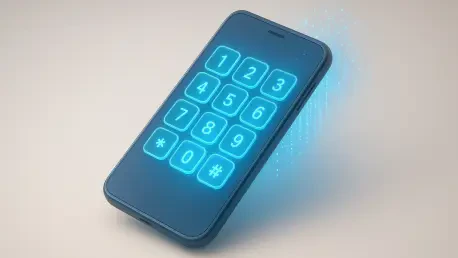
In the context of modern smartphones, this specific logic is utilized as “Smart Dialing” within the phone application to streamline how users locate specific contacts. Rather than using the virtual keypad to compose long-form text, users type a sequence of numbers that correspond directly to a contact’s name. For instance, typing the numbers associated with a specific name instantly filters the entire contact list and surfaces the correct person without requiring a full search. This method proved particularly useful in 2026 when a user could only remember a professional title or a keyword associated with a contact rather than their full legal name. The ability to filter thousands of entries with just three or four taps on a familiar numeric grid saved significant time in professional environments. Moreover, this system minimized the cognitive load required to navigate complex menus, allowing the user to focus on the conversation rather than the interface through a streamlined interaction model that prioritized speed and accuracy.
The Platform Divide and Modern Integration
Historical Precedent: Android’s Long-term Use vs. Apple’s Recent Adoption
The implementation of T9 dialing logic reveals a significant historical gap between the two major mobile operating systems that have dominated the market since the early smartphone era. Android users have benefited from this specific feature for well over a decade, with hardware manufacturers like HTC pioneering its use as early as 2009. Google eventually recognized its utility and made it a core component of the Android system in 2013, ensuring that every device using the platform had access to efficient dialing tools. For many years, this inclusion represented a distinct competitive advantage for Android devices, offering a level of speed in the dialer that was conspicuously absent from its main rival. This long-standing integration meant that an entire generation of users became accustomed to finding contacts via the keypad, creating a loyal user base that valued the efficiency of the traditional interface alongside modern features. This history established a standard for productivity that defined the Android user experience for several years.
Software Parity: The Arrival of Keypad Search in iOS 18
Apple only recently addressed this functional gap with the release of iOS 18 in 2024, rebranding the classic feature as “Keypad search” for its global user base. For a significant period, iPhone users had to rely on manually scrolling through long lists, using a separate search bar at the top of the screen, or relying on voice assistants to find a contact. The inclusion of T9 logic in the latest iPhone software represented a rare instance where the company adopted a long-standing industry standard to improve the daily user experience. This move brought functional parity to the two dominant platforms, recognizing that many users still prefer the speed of a numeric keypad for quick searches. By integrating this legacy feature into a modern, sleek interface, the software update enhanced the accessibility of contact management. This change was welcomed by long-time mobile users who had missed the tactile logic of their previous handsets but wanted to remain within the modern ecosystem through efficient and updated software.
Navigating the Modern Communication Ecosystem
Multiple Options: Evaluating Alternative Calling Methods
While T9 dialing offers impressive speed, it exists within a much larger suite of digital tools designed to help people connect in a variety of environments. Modern users in 2026 can still choose to dial numbers manually if they have them memorized, or they can utilize “Favorites” and “Recents” tabs for their most frequent interactions. Furthermore, the rise of voice-integrated assistants like Siri and Google Gemini has introduced a hands-free alternative that is especially valuable during activities like driving. In these scenarios, tactile input is not a safe or viable option, making voice commands the preferred method for initiating a call. Each of these methods serves a specific niche in the communication landscape, ensuring that users have multiple paths to reach their contacts. Despite the availability of high-tech alternatives, the reliability of a keypad-based search remained a cornerstone of mobile utility, providing a fallback that worked even in environments where voice recognition or data speeds might fail.
Future Perspectives: The Lasting Impact of Intuitive Design
The resurgence and persistence of T9 dialing on flagship devices proved that functional design outlasted the hardware for which it was originally created. Even as flagship devices incorporated advanced artificial intelligence, the fundamental need for a low-friction way to make a phone call remained a priority for developers. To maximize these benefits, users were encouraged to refine their contact naming conventions to better align with predictive search patterns. It was established that software developers prioritized these legacy features because they offered a universal logic that transcended regional language barriers. This approach allowed for a more inclusive user experience that respected the habits of older users while providing speed for the new generation. Moving forward, the focus shifted toward merging these numeric shortcuts with biometric cues to create even more secure and rapid communication channels. By maintaining these standards, companies ensured that the essential utility of the device stayed accessible to all users across the globe.