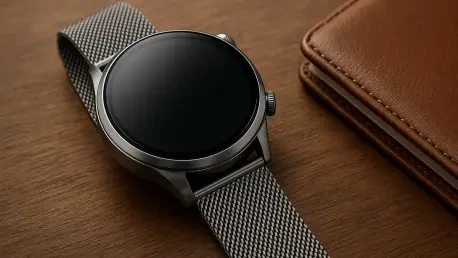

As wearable technology matures in 2026, the industry is witnessing a definitive shift from bulky, utility-first designs toward ultra-slim aesthetics that blend seamlessly with high-end professional attire. This transition is exemplified by the latest announcement of a more compact 41mm variant of the flagship watch series, which marks a strategic departure from the oversized casings that dominated previous years. By engineering a chassis that measures a mere 9.9mm in thickness and weighs just 36 grams, the manufacturer has effectively reduced the physical presence of the device by over a millimeter and nearly ten grams compared to the standard 46mm edition. This refinement addresses a growing demand among consumers who prioritize a lightweight footprint that remains nearly imperceptible during extended periods of daily activity. The move toward miniaturization does not merely serve an aesthetic purpose but also reflects a broader consensus that modern smartwatches must function as ergonomic extensions of the user rather than cumbersome peripherals.
Power Efficiency: The Miniaturization Challenge
Achieving significant battery longevity within a reduced physical envelope has long remained a primary challenge for engineers, yet this new iteration demonstrates a remarkable leap in power efficiency. Despite its smaller internal volume, the device manages to sustain a 14-day battery life, which represents a massive improvement over the previous generation’s eight-day capacity. While this endurance is naturally lower than the 21-day performance of the larger 46mm model, it establishes a new benchmark for compact wearables in 2026. This technological leap is paired with a diverse palette of finishes designed to position the watch as a versatile fashion accessory. Users can select from a range of light-colored options, including vibrant blue, green, white, and purple hues, complemented by a sophisticated metal mesh strap for formal occasions. This stylistic variety suggests a clear intent to move away from the purely utilitarian look of early fitness trackers. By prioritizing both battery density and visual appeal, the device caters to a demographic that refuses to compromise on either style or reliability during travel or work.
Holistic Health: Integrating Software and Personal Wellness
The integration of specialized health metrics and updated software served as the final pillar of this hardware evolution, moving beyond basic step counting to provide actionable physiological data. On the software front, the implementation of HyperOS 4 ensured a fluid user interface and seamless connectivity with vehicular control systems, reflecting a holistic approach to the digital ecosystem. New health features, such as the refined dietary calorie management system and UV intensity prompts, empowered users to make informed lifestyle choices throughout the day. Furthermore, the enhanced monitoring of female physiological cycles integrated exercise recommendations based on specific recovery needs. These developments indicated that the wearable sector moved toward a more personalized, health-centric philosophy. Organizations that prioritized these integrated tools saw an immediate improvement in user engagement and wellness tracking accuracy. To sustain this momentum, developers emphasized the need for even deeper sensor integration within existing chassis designs. Such advancements solidified a new standard where elegance and sophisticated technology finally converged.