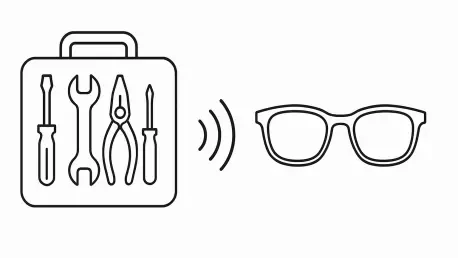

Safety compliance measurements in the FCC paperwork indicate that the device is intended to be worn on a belt clip or kept in a holster during use. This specific detail highlights a strategic shift toward wearable compute modules that alleviate the physical burden on the user’s face during long-duration sessions. The filing, which surfaced on October 8, involves four distinct equipment-authorization grants for a device officially designated as an “AR Glasses Computing Kit” under the FCC ID 2BBNY-B6111. Having successfully navigated the certification process through a prominent German testing facility, the hardware appears to be in a near-production state, ready for a potential commercial rollout. This modular approach is central to Xreal’s broader vision of decoupling the display optics from the high-performance processor, thereby managing thermal output and power consumption more effectively than all-in-one headsets. This strategy suggests a refined focus on ergonomics, positioning the brand to capture a larger share of the professional and enthusiast market by prioritizing comfort without sacrificing computational horsepower or battery life.
Advancements in Wireless Connectivity and Data Transmission
The integration of Wi-Fi 6E technology serves as the technological backbone of the B6111 unit, representing a major leap forward in wireless data capabilities for portable AR hardware. By utilizing the 6 GHz spectrum with a robust 160MHz channel bandwidth, the device is engineered to facilitate the rapid transfer of massive video data streams with exceptionally low latency. In the context of augmented reality, where even a slight delay in image rendering can cause motion sickness or break immersion, this high-speed throughput is essential for maintaining a seamless visual overlay. The use of the 160MHz channel allows for a wider “data pipe,” which is critical when streaming high-resolution 3D environments from the computing kit to the glasses themselves. Furthermore, the inclusion of Multiple-Input Multiple-Output (MIMO) technology ensures that signal stability remains consistent even in environments with significant electronic interference. This technical foundation allows the device to handle complex spatial mapping and real-time graphics rendering while maintaining a stable connection to the cloud or other local networks, bridging the gap between mobile portability and high-end performance.
Beyond the high-bandwidth 6 GHz capabilities, the computing kit maintains full backward compatibility with the legacy 2.4 GHz and 5 GHz frequency bands, ensuring versatile connectivity across various networking infrastructures. This multi-band support is paired with a highly efficient internal architecture that allows the system to toggle between frequencies based on the available signal strength and data requirements. The regulatory timeline for this device is particularly noteworthy, as the transition from the initial application to the final grant took only twenty-seven days, suggesting a highly streamlined manufacturing and testing process. While the FCC documents focus primarily on radio frequency compliance and safety standards, the absence of specific mentions regarding an operating system like Android XR leaves room for speculation about the internal software environment. However, the presence of such advanced wireless hardware confirms that Xreal has successfully developed a sophisticated platform capable of supporting the most demanding spatial computing applications currently available. The resulting system reinforces a trend toward distributed hardware where performance is no longer limited by the physical size of the eyewear itself.
Strategic Implications for the Augmented Reality Ecosystem
The emergence of this “AR Glasses Computing Kit” invites direct comparison to ongoing industry rumors regarding a project internally known as “Aura.” While the FCC filing remains strictly technical and avoids marketing nomenclature, previous regulatory submissions for peripheral devices like wireless keyboards have explicitly utilized the Aura branding, hinting at a cohesive ecosystem of connected hardware. Additionally, eagle-eyed observers have noted the appearance of unannounced product placeholders on official retail channels, further suggesting that a major product launch is imminent. This new computing unit likely serves as the central hub for this ecosystem, acting as both a powerhouse for graphics processing and a central battery reservoir. By offloading these components, Xreal can focus on optimizing the display quality and field of view of the glasses without worrying about the thermal constraints of placing a high-end chipset near the user’s temples. This design choice aligns with the broader market trajectory from 2026 to 2028, where the emphasis has shifted from clunky, all-in-one headsets toward sleek, stylish glasses supported by powerful, pocketable compute units that do not compromise on mobility or functionality.
Looking ahead, the successful certification of the B6111 platform provided a clear roadmap for the next generation of modular spatial computing solutions. Developers and early adopters should have prepared for a shift toward more versatile hardware configurations that separated visual output from processing logic. This transition allowed for greater flexibility in hardware upgrades, as users could potentially refresh their computing kits without needing to replace their expensive optical displays. The focus on Wi-Fi 6E and the 6 GHz band established a new standard for wireless AR, proving that high-fidelity experiences were possible without the tether of a physical cable. As the industry moved toward 2028, these early regulatory milestones served as the foundation for more ergonomic and accessible augmented reality tools. Companies had to prioritize low-latency wireless protocols and body-worn modules to remain competitive. By implementing these high-speed standards and ergonomic separation, the groundwork was laid for a more integrated digital future where spatial interfaces became as common as smartphones.