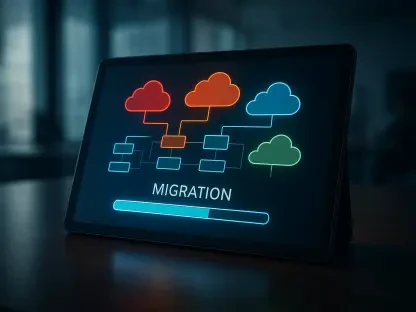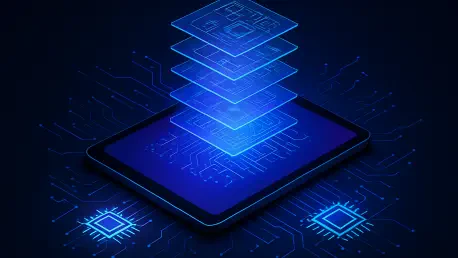

For years, the hardware disparity between the iPad Pro and the MacBook has narrowed to the point of extinction, yet the software gap remains a persistent wall for power users who crave a unified mobile experience. This architectural convergence reached its peak with the latest M-series silicon, which theoretically supports the full suite of desktop applications found in macOS. Despite the raw processing power and advanced thermal management of the modern iPad, Apple has historically restricted the device to the sandboxed environment of iPadOS, leaving enthusiasts to find creative ways to unlock the full potential of their hardware. A dedicated community of independent developers recently achieved a significant milestone by successfully virtualizing a complete macOS environment on the iPad, effectively bypassing traditional operating system constraints. This breakthrough utilizes sophisticated emulation layers and custom kernels to provide a desktop-class interface on a tablet form factor. By focusing on the Hypervisor framework, these developers demonstrated that the barrier between mobile and desktop computing is increasingly artificial, driven more by policy than by technical capability.
Bridging the Divide: Technical Hurdles and Professional Gains
The technical realization of this project hinges on the sophisticated use of the Hypervisor framework, which allows third-party software to interact directly with the silicon without standard operating system interference. By leveraging specialized builds of QEMU, the development team managed to map the intricate hardware calls of macOS to the iPad hardware, ensuring that basic input and output functions operate with surprising fluidity. This approach required a deep understanding of the ARM-based architecture that both the iPad and modern Mac computers share, facilitating a more direct translation of instructions compared to traditional x86 emulation. Significant effort was directed toward optimizing memory allocation and graphics acceleration, as these are typically the primary bottlenecks in any virtualized environment. The community project successfully integrated Virtio drivers to handle storage and networking, providing high-speed access to the iPad’s internal hardware components. This integration ensures that the experience is not just a proof of concept but a functional environment for system tasks.
Beyond the novelty of seeing a desktop interface on a touchscreen, the implications for professional workflows are substantial, especially for developers who require local access to tools like Xcode. Previously, creating software for Apple platforms necessitated a Mac, but this virtualization effort allows for a self-contained mobile development cycle including compiling and testing native apps directly on the tablet. Creative professionals gain significantly, as it opens the door to using full versions of desktop-grade software that have yet to receive comprehensive mobile ports. The project facilitates a level of file management and system-level customization that iPadOS has long lacked, enabling users to interact with a traditional hierarchical file system and install terminal-based tools. This shift effectively transforms the iPad into a truly modular workstation that can switch between a simplified touch interface and a complex desktop environment, addressing the long-standing critique that the iPad is consumption-first. Such flexibility highlights a path toward a more versatile era of personal computing.
The community virtualization project established a vital precedent for the future of mobile productivity by proving that the hardware constraints were largely a choice rather than a technical necessity. This endeavor highlighted the growing demand for a more open ecosystem where users decided how to utilize the hardware they owned, potentially influencing future software roadmaps. Moving forward, the focus shifted toward refining the efficiency of these virtualization layers and advocating for more official support for professional-grade features on mobile platforms from 2026 to 2028. Tech-savvy users adopted these virtualization tools to circumvent current software limitations, while organizations investigated the potential for secure, sandboxed desktop environments on mobile fleets. The project suggested that the eventual convergence of mobile and desktop operating systems was inevitable, driven by silicon capability. Developers focused on optimizing driver stability and JIT compilation to ensure that these virtual environments remained viable for long-term use.