
Walking through a modern metropolitan transit hub or a high-end corporate lobby often reveals a complex tapestry of high-definition displays that serve as the primary communication link between a brand and its audience. While the vibrant colors and sharp resolutions of professional-grade screens capture initial attention, the true efficacy of these installations relies entirely on the underlying software driving the pixels. In 2026, the marketplace for digital signage solutions has evolved beyond simple media players to encompass sophisticated cloud-based ecosystems that manage everything from real-time data visualization to interactive customer journeys. Selecting the right platform requires a deep understanding of how specific software architectures align with organizational objectives, whether those involve internal employee engagement or external marketing. This decision serves as the cornerstone of any digital communication strategy, influencing hardware costs, security protocols, and operational agility.
Technical Interoperability: Hardware and Operating Systems
Achieving a seamless integration between software and hardware represents the first major hurdle for businesses looking to modernize their visual communication infrastructure. Modern platforms now offer a wide array of deployment options, ranging from proprietary System on Chip solutions embedded in Samsung or LG displays to external media players running on specialized Linux distributions or Windows IoT Enterprise. The choice of operating system dictates the long-term stability and peripheral support of the network, particularly when integrating touchscreens or audience analytics sensors. High-performance software must demonstrate the ability to maintain 24/7 uptime while handling resource-intensive content like 8K video loops or real-time HTML5 rendering without stuttering. Furthermore, cross-platform compatibility ensures that organizations are not tethered to a single vendor, allowing for a diverse fleet of devices that can be managed through a single dashboard.
Beyond basic playback, the robustness of a Content Management System serves as the primary interface through which marketing teams and IT administrators interact with the digital network. A truly effective platform prioritizes an intuitive user experience that balances advanced scheduling features with simple drag-and-drop workflows for rapid updates. In the current landscape starting from 2026, the integration of automated data feeds has become a standard requirement for enterprises that need to display dynamic information such as live stock prices, weather alerts, or social media aggregations. Sophisticated CMS solutions offer modular design tools that allow users to create multi-zone layouts where static imagery, scrolling tickers, and live video streams coexist harmoniously on a single screen. This level of control extends to localized content overrides, enabling branch managers to tailor specific messages while maintaining consistency across the brand.
Enterprise Management: Security and Scalability Solutions
Security considerations have taken center stage as digital signage screens are increasingly targeted by sophisticated cyber threats that seek to disrupt public communication or exfiltrate sensitive data. Professional software providers now integrate enterprise-grade security features such as SOC 2 Type II compliance, end-to-end SSL encryption, and multi-factor authentication to safeguard the integrity of the content delivery network. Managing a vast array of internet-connected endpoints necessitates granular user permission settings, ensuring that only authorized personnel can modify critical schedules or upload new media assets. This architectural rigor prevents unauthorized content from reaching the public eye, which is especially critical in sectors like healthcare or finance where misinformation can have severe consequences. Additionally, the software must be capable of operating behind strict corporate firewalls while still receiving over-the-air updates for patches.
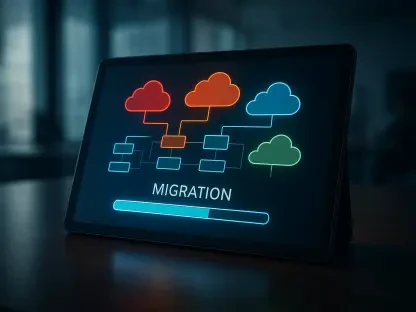
Establishing a forward-thinking digital signage strategy required a thorough evaluation of how software systems handled growing network demands and remote monitoring requirements. Decisions made during the selection process focused on the implementation of automated health reports and real-time alerts that notified administrators of hardware failures before they impacted the customer experience. To ensure long-term success, stakeholders shifted their focus toward platforms that supported extensive API integrations, allowing for the future-proofing of the digital ecosystem against emerging technological shifts. Proactive organizations audited their existing workflows and identified specific points where automation could replace manual content updates, thereby increasing operational efficiency. The transition toward a unified management platform allowed for a centralized vision while providing the flexibility needed for local adaptation. Moving forward, the emphasis remained on selecting vendors committed to regular updates.