
Oscar Vail is a veteran technology analyst whose insights into mobile hardware and emerging software ecosystems have made him a respected voice in the industry. With a career spent dissecting the evolution of high-performance devices and open-source projects, Vail possesses a unique ability to see beyond marketing jargon to the actual engineering hurdles and market shifts. As rumors solidify around the latest high-end releases from one of the world’s most aggressive manufacturers, his perspective offers a clear window into the future of mobile computing.
The following discussion explores the strategic move of the 17T series into the premium pricing tier and the tangible user benefits of the significant battery and charging upgrades. We also delve into the technical disparities between the standard and Pro models, focusing on how different chipsets and display refresh rates alter the daily experience. Finally, the conversation examines the integration of the latest Android software and what these hardware-heavy specifications mean for the long-term viability of the devices.
With the Pro model reaching a €999 price point and both units seeing a €100 increase over previous generations, how does this shift the brand’s market identity? What specific value do these price hikes offer, and how do they justify moving away from the traditional “flagship killer” label?
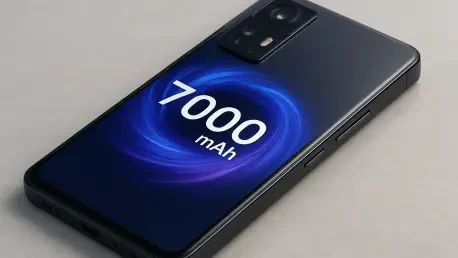
The jump to a €999 price tag for the Pro model signifies a complete shedding of the “budget-friendly” skin that once defined this series. For that price, users are no longer buying a compromise; they are investing in a device that offers a massive 7,000 mAh battery and cutting-edge UFS 4.1 storage that rivals any ultra-premium competitor on the market. This move allows the brand to compete directly with established luxury giants by proving they can lead in raw specs rather than just undercutting on price. You can feel the shift in ambition when looking at the spec sheet; it is about providing a no-compromise experience where the hardware justifies that €100 premium through sheer longevity and power.
The hardware differences include distinct screen sizes and refresh rates alongside the Dimensity 8500 Ultra and 9500 chipsets. What real-world performance gaps will users notice between these two tiers, and how do the variations in display technology impact the daily experience for gamers versus casual users?
The Dimensity 9500 in the Pro is a powerhouse compared to the already capable 8500 Ultra, and you will notice that extra snap during heavy multitasking or when rendering high-resolution video. Gamers will specifically gravitate toward the Pro’s 144Hz refresh rate on the larger 6.83-inch screen, which offers a noticeably smoother visual flow than the 120Hz found on the 6.59-inch standard model. Casual users might not mind the slightly smaller frame of the 17T, but the difference in resolution—1280×2772 on the Pro versus 1268×2756—adds a crispness to text and images that elevates the entire aesthetic. It is a classic case of good versus great, where the Pro’s hardware creates a more immersive, theater-like grip in the palm of your hand.
Large battery capacities ranging from 6,500 to 7,000 mAh are becoming more common in high-end devices. What are the engineering challenges of managing heat with 100W charging on such large cells, and what should users expect regarding long-term battery health and the trade-off with overall device weight?
Shoving a 7,000 mAh cell into a chassis that remains only 8.25 mm thick is a feat of modern chemistry and spatial design. Managing 100W charging speeds creates significant thermal pressure, requiring sophisticated cooling layers to prevent that heat from degrading the battery’s chemical health over the years. Users will certainly feel the density of the 219g Pro model, which gives it a substantial, premium heft compared to the 200g standard version. While the longevity will be legendary, the trade-off is a phone that feels like a solid slab of technology, demanding a bit more wrist strength for long sessions.
Both models feature a 5x optical zoom telephoto lens, but the Pro utilizes the Light Fusion 950 sensor for its main camera. How does this sensor upgrade change low-light photography results, and what software optimizations are necessary to maintain visual consistency across the entire triple-lens setup?
The Light Fusion 950 sensor is a significant leap for the Pro, specifically designed to drink in light in environments where other cameras fail and turn grainy. With an f/1.74 aperture, it captures delicate textures in the shadows that the Light Fusion 800 might miss, making night shots look vibrant and lifelike. To make the 5x optical zoom and the 12MP ultrawide feel like one cohesive unit, HyperOS 3 has to do heavy lifting in color science and white balance calibration. You do not want a jarring shift in color when you zoom from a wide landscape to a tight 50MP telephoto shot, and this sensor upgrade ensures the primary lens sets a very high bar for clarity.
Integrating Android 16 and HyperOS 3 suggests a strong focus on the latest software ecosystem. What specific improvements do these systems bring to multitasking or power efficiency, and how do they leverage the 12GB of RAM to ensure the device remains fast several years after the initial purchase?
Launching with Android 16 and HyperOS 3 ensures these devices are at the bleeding edge of software efficiency right out of the box. The 12GB of LPDDR5X RAM acts as a massive playground for the OS, allowing dozens of apps to stay suspended in the background without the system needing to kill tasks to save memory. This combination is designed for the long haul, ensuring that three or four years from now, the interface still feels fluid and responsive rather than sluggish. By leveraging the fast UFS 4.1 storage, the system can swap data almost instantly, providing a tactile speed that makes every swipe and tap feel immediate.
What is your forecast for the Xiaomi 17T series?
I believe the 17T series marks the moment this lineup officially stops being the “alternative” choice and becomes the “aspirational” choice for power users. With the Pro hitting the €999 mark, the brand is betting that its engineering—especially those massive 7,000 mAh batteries—is enough to pull people away from traditional premium brands. We are looking at a future where the “T” stands for Total Performance rather than just a mid-cycle refresh. If these leaked specs hold true, this series will likely set a new benchmark for how much raw power and battery life we should expect from a flagship in the coming years.