
Tactile feedback allows the EmArm to detect collisions and adjust its movement patterns without the need for constant cameras or visual data. For decades, roboticists struggled to overcome the limitation of machines being blind to their own physical presence, relying almost exclusively on external
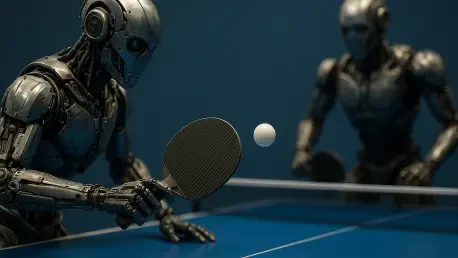
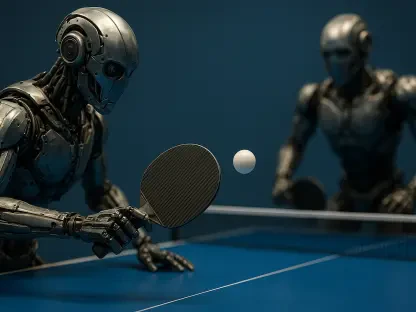
A physics simulator calibrated with real-world ball bounce measurements was used to train a seven-joint racket-arm refinement policy for precise ball trajectory adjustments. This breakthrough technology represents a significant leap in the field of collaborative humanoid robotics, specifically
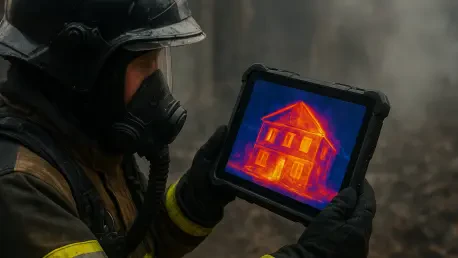
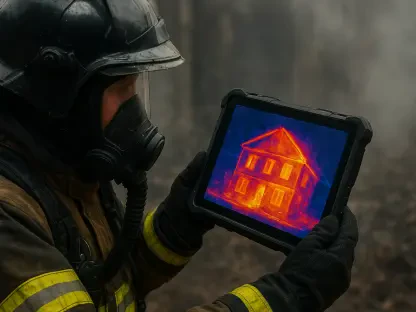
Information overload from body cameras and sensors is being addressed through AI pattern recognition that flags specific hazards for field units. This technological shift represents a fundamental realignment in how emergency services operate in 2026, moving beyond a reliance on voice-only

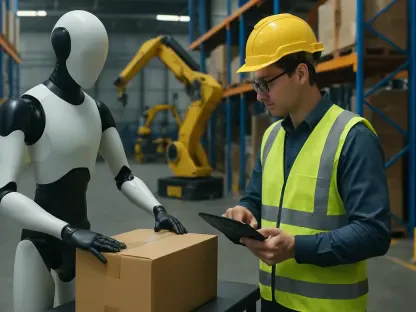
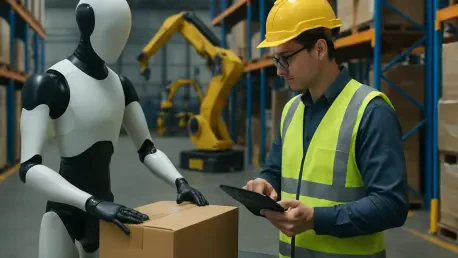
The gap between a high-tech laboratory demonstration and a gritty warehouse floor remains the most significant hurdle for the modern robotics industry. Industrial-grade dexterity requires a holistic system that incorporates multimodal inputs such as vision, position, contact force, and tactile
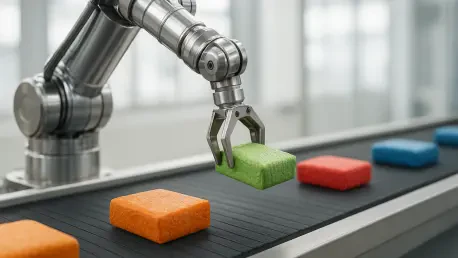
Current market strategies are pivoting away from pure hardware refinement to prioritize the development of robotic AI systems that can interpret human intent. This shift marks the transition from pre-programmed automation to genuine embodied intelligence, where machines possess the cognitive
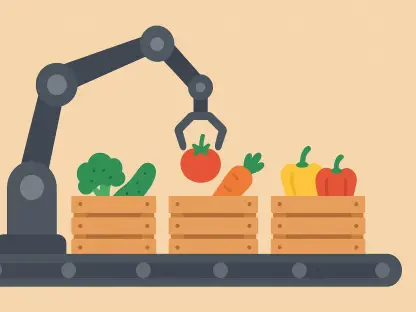
Waiting until a formal CMMC assessment to address the network placement of a robotic cell is a costly mistake that can be avoided with early IT planning. Small to mid-sized manufacturers frequently overlook the digital footprint of collaborative robots, focusing instead on the impressive mechanical
1 2 3 4 5 6 7 8 9 10 11 12 13 14 15 16 17 18 19 20 21 22 23 24 25 26 27 28 29 30 31 32 33 34 35 36 37 38 39 40 41 42 43 44 45 46 47 48 49 50 51 52 53 54 55 56 57 58