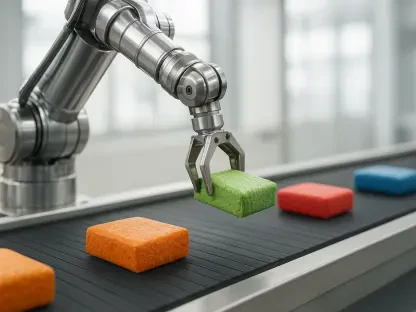

The consolidation of robotics and uncrewed systems into a single AI and Autonomy category shifts focus toward multi-agent swarm intelligence and the security of foundation models. This fundamental shift marks a new era in American technological policy, as the White House Office of Science and

The Ojai fleet features a suite of accessibility options including Braille integration and screen reader support to accommodate a wider range of passenger needs. This advancement represents a fundamental shift in how the industry views urban mobility, moving past the mechanical challenge of
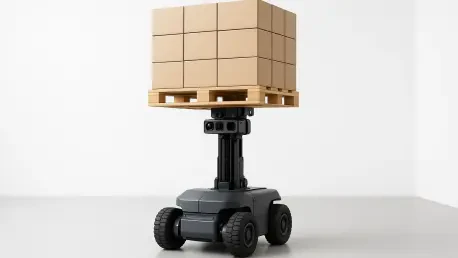
Utilizing edge intelligence and multi-sensor navigation, the PUDU MP2000 creates real-time environmental maps to bypass the limitations of traditional fixed-track automation. The logistics industry is currently facing a massive demand for higher throughput and reduced operational costs,

Commercial 5G technology has evolved from a smartphone upgrade into a versatile tool for providing high-speed data to moving objects like drones and autonomous security vehicles. While the initial wave of deployment primarily benefited consumer mobile devices through improved streaming speeds and
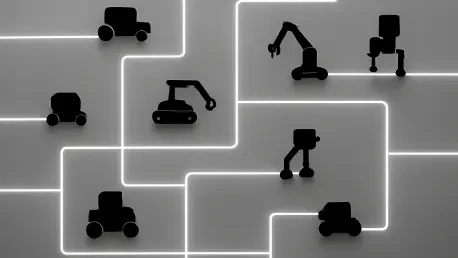
Traditional autonomous cleaning systems often struggle with static programming, but Neura aims to solve this by installing advanced sensors that allow machines to interpret situational changes. This strategic acquisition of Adlatus Robotics by Neura Robotics marks a transformative moment in the

Slovakia has emerged as a key regional case study where the automotive and electronics sectors drive massive demand for high-precision robotic applications. Across the globe, the manufacturing landscape is undergoing a profound transformation, moving toward an environment where automated systems