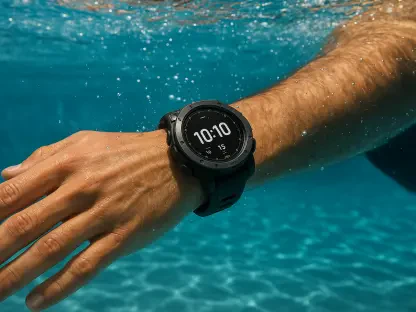
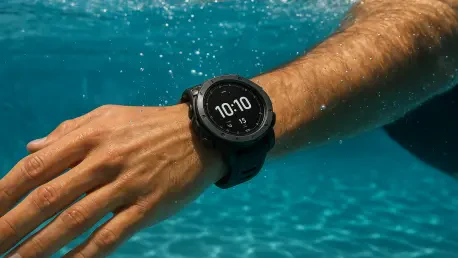
The emergence of the three thousand five hundred nit display on mid-range devices ensures that navigating complex offline maps is possible even during high-intensity training sessions. The landscape of multisport GPS smartwatches has undergone a dramatic transformation as of late 2026, reaching a

A traveler crossing the border from New York to Connecticut could transition from legal device usage to a criminal violation due to inconsistent state privacy laws. This scenario highlights the precarious intersection of high-technology AI wearables and legacy legal frameworks that were never

Enterprise XR is pivoting away from hardware specifications like field-of-view toward the operational plumbing required to synchronize spatial data with established information technology governance. This fundamental transformation signals the end of the experimental pilot phase, where high-tech

The proprietary operating system on the Smart 9 Pro facilitates over 150 dedicated sports modes designed to automatically recognize movements from cycling to interval training. This sophisticated integration of software and hardware demonstrates how the line between entry-level activity trackers

The development of proprietary operating systems has granted budget wearables a distinct battery life advantage over their high-end, energy-hungry counterparts. This technical shift has fundamentally altered the consumer electronics sector in the United Kingdom, where the democratization of

XREAL’s latest hardware leverages AI-driven HDR to reach brightness levels of 1200 nits, overcoming the traditional optical limitations of lightweight augmented reality glasses. This technological breakthrough is indicative of a broader industry-wide transition where artificial intelligence is no
1 2 3 4 5 6 7 8 9 10 11 12 13 14 15 16 17 18 19 20 21 22 23 24 25 26 27 28 29 30 31 32 33 34 35 36 37 38 39 40 41