
A decade ago, the Fully Booked Imagine App demonstrated how static bookstore posters could act as triggers for digital creatures to leap into three-dimensional space. This early milestone proved that the physical world possesses a latent capacity to serve as a bridge toward complex digital

The withdrawal of the health redesign from Beta 4 coincides with the hardware calibration necessary for the upcoming launches of the HomePod mini 2 and HomeView. This unexpected regression within the developer preview caught many by surprise, especially since the modern interface had been the

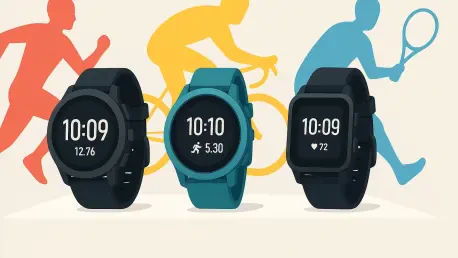
Travelers and international business professionals can utilize a translation mode that displays real-time linguistic transitions on the wrist when paired with the companion app. This specific functionality underscores a broader shift in the wearable market as Mobvoi moves away from general-purpose
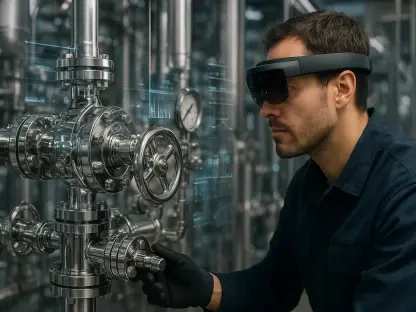
The integration of the Muse AI agent into smart glasses is intended to provide users with a conversational partner that can manage tasks across various virtual windows. This bold engineering move signals a transition from the era of mobile-centric computing to a period defined by spatial

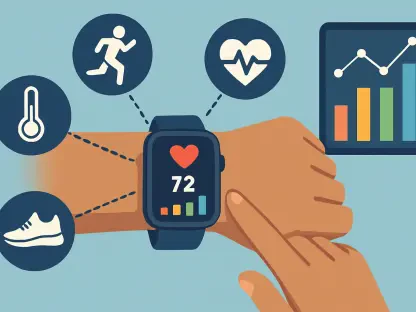
The transition toward holistic health monitoring in 2026 places a new emphasis on longevity metrics and AI-driven insights that help users interpret complex physiological data. This shift reflects a broader societal movement where individuals demand proactive rather than reactive health management
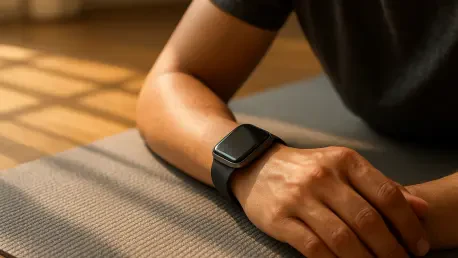
A growing number of fitness enthusiasts are turning to subscription-based tools to unlock the coaching potential hidden within their older Apple Watch sensors. While the introduction of modern readiness features in recent years suggested a need for the latest hardware, many individuals discovered