
Valve's $59 ergonomic kit and $29 power supply for the Steam Frame suggest a shift toward a modular accessory model where comfort and utility require separate consumer investments. This tactical decision highlights the maturation of the extended reality sector as it moves away from all-in-one
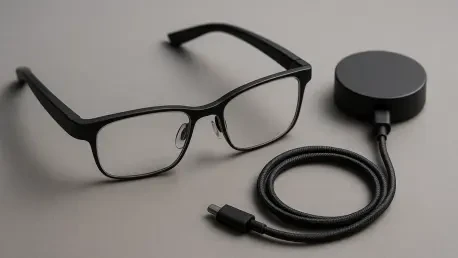
High-fidelity immersion no longer requires heavy equipment, as Meta prepares a device featuring 5K micro-OLED displays and pancake optics in a slim form factor. This development represents a significant pivot from the bulky, all-in-one headsets that have characterized the mixed reality sector for

The 2027 Meta VR Glasses represent a decade of evolution from the original Oculus Rift, focusing on solving the weight and price barriers to entry. This development arrives at a critical juncture for the extended reality industry, which has long been characterized by enthusiasm from early adopters

The traditional cycle of replacing a flagship smartphone every twenty-four months is rapidly dissolving as hardware capabilities outpace the demands of everyday software applications. For years, the industry relied on the perception that mobile processors would eventually struggle under the weight
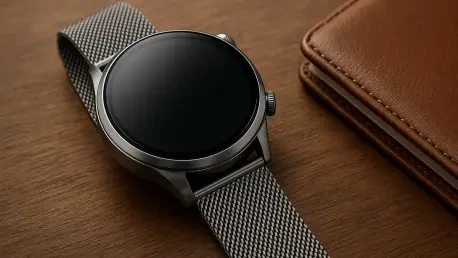
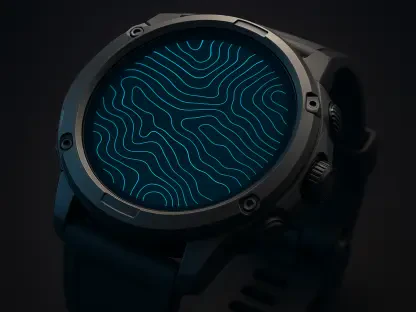
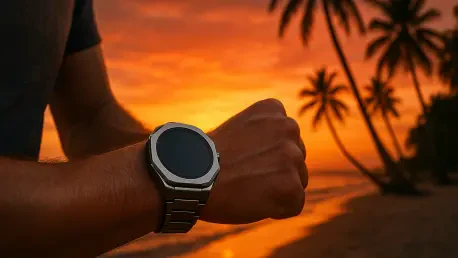
As wearable technology matures in 2026, the industry is witnessing a definitive shift from bulky, utility-first designs toward ultra-slim aesthetics that blend seamlessly with high-end professional attire. This transition is exemplified by the latest announcement of a more compact 41mm variant of

The emergence of a visible cable on the Project Phoenix prototype confirms Meta is moving away from all-in-one headsets to achieve the ergonomic balance necessary for all-day wear. This strategic pivot was accidentally disclosed through a retracted software update within the Meta ecosystem,