
The traditional cycle of replacing a flagship smartphone every twenty-four months is rapidly dissolving as hardware capabilities outpace the demands of everyday software applications. For years, the industry relied on the perception that mobile processors would eventually struggle under the weight
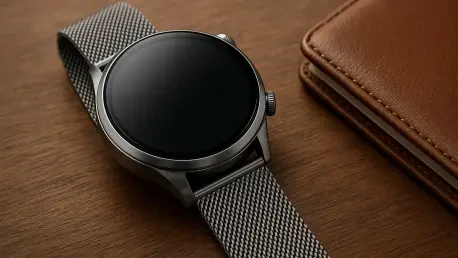
As wearable technology matures in 2026, the industry is witnessing a definitive shift from bulky, utility-first designs toward ultra-slim aesthetics that blend seamlessly with high-end professional attire. This transition is exemplified by the latest announcement of a more compact 41mm variant of

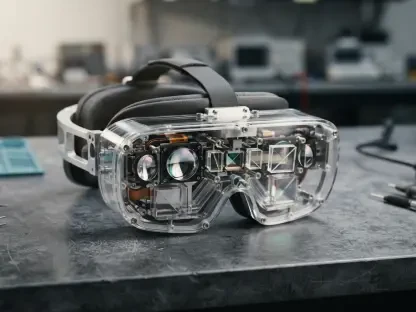
The emergence of a visible cable on the Project Phoenix prototype confirms Meta is moving away from all-in-one headsets to achieve the ergonomic balance necessary for all-day wear. This strategic pivot was accidentally disclosed through a retracted software update within the Meta ecosystem,

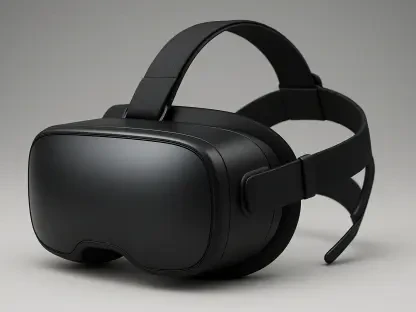
The landscape of virtual reality has reached a definitive turning point as the industry moves away from the cumbersome constraints of wired hardware toward a truly liberated user experience. By integrating a 4nm Snapdragon 8 Gen 3 processor and 16GB of LPDDR5X memory, Valve has engineered a

Professional gamers now have access to the ROG XREAL R1, a wearable peripheral featuring a 240Hz refresh rate and a near-instant 0.01ms response time for competitive play. This specific advancement underscores a broader transformation within the consumer electronics sector, where global smart

While the headset utilizes 12 specialized cameras for spatial tracking, the hand-recognition software requires users to maintain a specific and often tiring physical posture to remain effective. This technical requirement highlights the central tension within the Samsung Galaxy XR: it is a