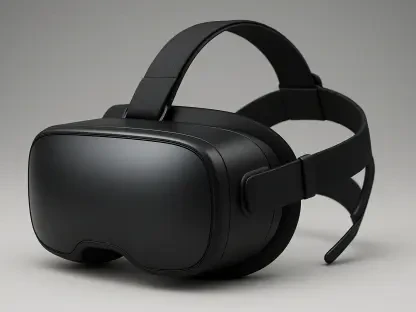
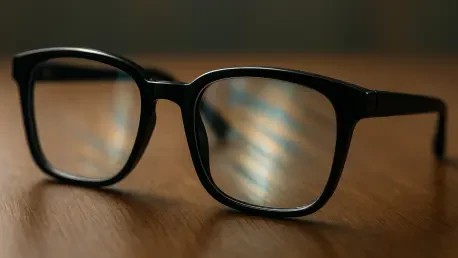
The integration of the Muse AI agent into smart glasses is intended to provide users with a conversational partner that can manage tasks across various virtual windows. This bold engineering move signals a transition from the era of mobile-centric computing to a period defined by spatial

The transition toward holistic health monitoring in 2026 places a new emphasis on longevity metrics and AI-driven insights that help users interpret complex physiological data. This shift reflects a broader societal movement where individuals demand proactive rather than reactive health management
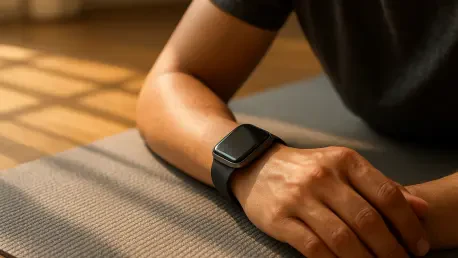
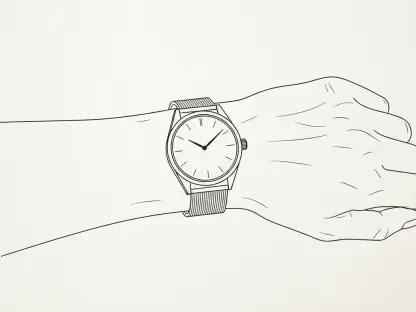
A growing number of fitness enthusiasts are turning to subscription-based tools to unlock the coaching potential hidden within their older Apple Watch sensors. While the introduction of modern readiness features in recent years suggested a need for the latest hardware, many individuals discovered

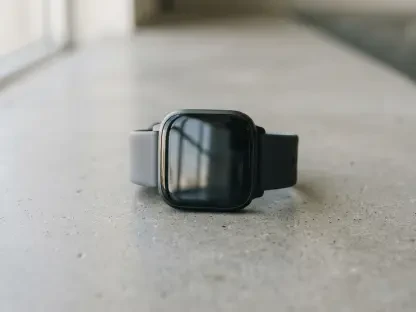
By positioning the Edge between the screenless Air and the robust Pixel Watch 5, Fitbit is providing a clear upgrade path for users who prefer a slim form factor. The landscape of wearable technology is currently undergoing a transformative phase where biometric precision meets aesthetic
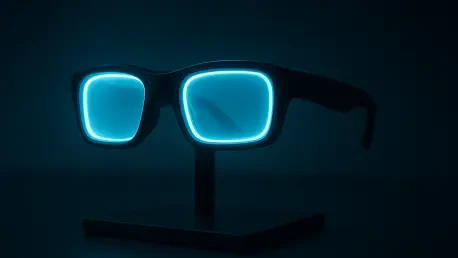
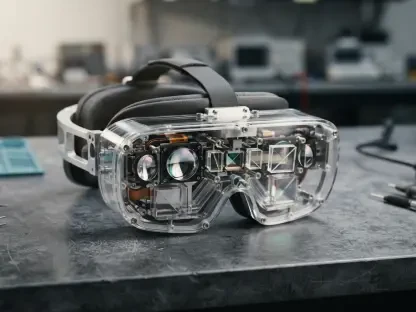
Thin-film waveguide technology encounters a hard physical limit where the discrete nature of light modes prevents the delivery of retina-grade resolution to the user. This discovery, spearheaded by optical researchers at Meta’s Reality Labs, fundamentally shifts the narrative surrounding augmented
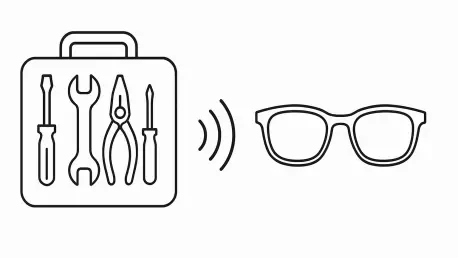
Safety compliance measurements in the FCC paperwork indicate that the device is intended to be worn on a belt clip or kept in a holster during use. This specific detail highlights a strategic shift toward wearable compute modules that alleviate the physical burden on the user's face during