
Apple has introduced the Liquid Glass design language in iOS 27 Beta 5 to create a more immersive interface through realistic reflections and refined transparency. This shift marks a significant departure from the flatter aesthetics of previous iterations, moving toward a tactile environment where elements seem to float above the hardware. This update represents the final stages of the current software cycle, moving beyond the initial stabilization phase to deliver a polished vision of what modern mobile interaction should feel like. By focusing on how light and depth interact with the digital canvas, the software now bridges the gap between physical materials and virtual controls more effectively than ever. The primary goal of this beta release is to ensure that the user interface feels like a living extension of the device, where every swipe and tap triggers a subtle yet distinct visual response that reinforces the physical presence of the underlying hardware components.
Aesthetic Refinements and Interface Harmony
Redesigning the User Interface
The transition to Liquid Glass brings a profound change to the core iconography that users interact with daily, specifically targeting foundational applications like Safari, Siri, Settings, and the App Store. These icons have been meticulously redesigned to incorporate deeper layers of transparency and light refraction, allowing them to blend naturally with various background elements. Unlike static graphics, these new designs react to the orientation of the device and the specific color palette of the active wallpaper, ensuring that the home screen feels like a cohesive ecosystem rather than a collection of disparate tiles. This adaptive behavior is a core component of the new design philosophy, emphasizing that the software should adjust to the user’s environment rather than forcing a rigid visual standard. This level of detail extends to the subtle shadows cast by the icons, which now shift based on simulated light sources, further enhancing the three-dimensional depth of the operating system.
Wallpaper Integration and Depth
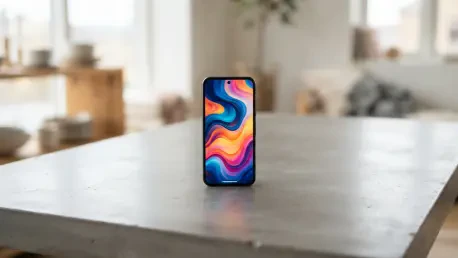
Achieving visual harmony within a complex mobile interface requires more than just updated icons; it necessitates a fundamental rethink of how the background and foreground interact. With the implementation of Liquid Glass in this fifth beta, the system now uses advanced algorithms to sample the user’s wallpaper and apply matching tints and reflections to systemic overlays. This creates an immersive environment where semi-transparent windows and menus appear as if they are made of actual frosted glass, catching the colors of the imagery beneath them. This design choice is not merely for decoration but serves to reduce cognitive load by providing clear visual hierarchies through varying levels of blur and transparency. Furthermore, the refined transparency settings allow users to maintain high readability even when using vibrant or busy backgrounds, as the system intelligently adjusts contrast levels in real time to ensure that the interface remains both stunning and functional.
System Intelligence and Global Connectivity
Personalized Voice and Hardware Limits
A substantial portion of the iOS 27 Beta 5 update is dedicated to elevating the capabilities of Siri through highly personalized AI-driven interactions. Users can now manipulate the pace and expressivity of several American and British voices, allowing for a more human-like auditory experience that matches individual preferences. This enhancement relies on intense on-device processing to maintain the highest standards of data privacy, ensuring that personal voice data never leaves the local hardware environment. Consequently, these sophisticated audio processing features are strictly limited to the latest generation of hardware, including the iPhone 17 Pro, iPhone 17 Pro Max, and the new iPhone 17 Air. By tethering these capabilities to specific chipsets, the system can leverage dedicated neural engine cores to handle linguistic nuances without sacrificing performance. This strategic alignment highlights a world where virtual assistants are defined by their ability to communicate with natural inflection.
Strategic Implementation and Network Efficiency
The rollout of iOS 27 Beta 5 provided a critical window for users to optimize their devices for the final public release. It was recommended that early adopters utilize the new battery diagnostic tools to identify if poor cellular coverage was causing excessive drain, particularly as 5G+ support expanded internationally to regions like Spain. Professional users benefited from prioritizing the updated Contacts app, which began displaying company names in search results to streamline communication workflows. To prepare for the future of localized AI, it was essential to verify hardware compatibility, as the most advanced Siri features required the specific neural processing found in the iPhone 17 series. Moving forward, the most effective strategy involved developers adopting the Liquid Glass transparency standards to ensure their applications integrated seamlessly with the system’s new aesthetic. These steps ensured that the transition to the full version remained fluid and efficient for all users.