
The rise of the cake shed and micro-bakery sector has highlighted a need for specialized tools that commercial developers have historically overlooked or overpriced. For many years, artisan bakers found themselves trapped between archaic paper systems and generic retail software that failed to account for the unique variables of small-batch sourdough or complex delivery routes. These commercial off-the-shelf solutions often come with high subscription fees and rigid structures that do not adapt to the fluid nature of a local bakery’s daily workflow. In 2026, the intersection of traditional baking craftsmanship and modern computational power is finally offering a way out. Small-to-medium-sized baking enterprises are no longer waiting for tech giants to notice them; instead, they are leveraging artificial intelligence to build, audit, and deploy bespoke digital infrastructure. This fundamental shift allows owners to maintain the integrity of their artisanal roots while benefiting from the precision and speed of custom-coded logic.
Breaking Technical Barriers
Digital Collaboration: AI as a Collaborative Co-Pilot
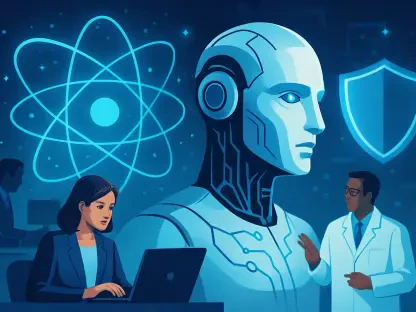
The democratization of custom software development means that a formal background in computer science is no longer a prerequisite for building functional business tools. Bakery owners and managers are now utilizing AI models as collaborative digital co-pilots to generate, refine, and troubleshoot code through a structured “review and build” cycle. This process allows individuals with deep expertise in baking or retail operations to translate their hands-on knowledge directly into digital logic without needing an expensive intermediary programmer. By using multiple AI platforms to cross-check work for errors or security flaws, non-technical users can ensure that their custom applications are both stable and robust. This collaborative approach bridges the gap between the physical craft of baking and the digital requirements of modern business management. As these tools become more accessible, the primary challenge has shifted from technical execution to human adoption, requiring teams to integrate these new digital assistants into their daily routines.
Furthermore, the use of AI in software creation empowers bakery staff to take an active role in the evolution of their workplace technology. Unlike traditional software development, which often excludes the end-user from the design process, the DIY AI approach encourages immediate feedback and iterative improvements. A baker can identify a specific friction point in the production schedule and work with an AI assistant to modify the code by the end of the shift. This agility creates a sense of ownership among the team, as the tools they use are directly shaped by their professional needs and practical insights. This shift from passive consumption to active creation fosters a culture of innovation within the bakery, where technology is viewed as a supportive partner rather than a restrictive burden. By removing the technical barriers to entry, AI is enabling a new generation of artisan entrepreneurs to build digital infrastructure that reflects the precision and care they put into their bread, ensuring a more cohesive and efficient work environment.
Custom Ownership: Cost-Effective Ownership and Control
Moving away from the traditional “software as a service” model allows artisan bakeries to reclaim their financial and operational independence while significantly reducing long-term costs. Building proprietary tools eliminates the recurring licensing fees that often burden small-scale businesses, allowing them to reinvest those savings into high-quality ingredients or improved equipment. This DIY approach also grants business owners full data sovereignty, ensuring that sensitive customer information and production metrics remain within their own private and secure digital environments. By hosting their own applications, bakeries avoid the risks associated with third-party data breaches and the instability of external platforms that may change their terms of service without notice. This level of control is essential for protecting the unique intellectual property of an artisan business, such as secret recipes and proprietary fermentation data. Ultimately, the move toward self-hosted, custom software provides a foundation of security and stability that generic retail tools simply cannot offer.
The conclusion of this digital transition demonstrated that the baking industry successfully integrated modern technology without sacrificing its traditional identity. By prioritizing the development of bespoke internal ecosystems, artisan bakeries eliminated the administrative friction that previously hindered their creative growth. Moving forward, these businesses focused on using AI to refine their production dashboards and allergen labeling systems, ensuring total compliance with food safety regulations. Bakery owners discovered that the most effective digital tools were those built in direct response to the specific needs of their kitchen and delivery staff. The reduction in overhead costs and the increase in operational speed allowed many micro-bakeries to scale their production without losing the personal touch of their craft. Actionable steps for the future included the maintenance of private databases and the continuous training of staff in AI collaboration. These strategies ensured that the technology remained a flexible and powerful asset, allowing the bakery to adapt to any market changes.