
Edge computing processes data and drives decision-making close to the physical asset, eliminating communication delays that could compromise time-sensitive applications. The oil and gas industry is currently undergoing a fundamental transformation in its operational philosophy, moving beyond

Fragmented oversight across the energy sector means that a single event might trigger redundant reporting to the TSA, NERC, and various state-level regulatory bodies. This administrative redundancy highlights a growing rift between federal cybersecurity mandates and the practical realities of the

For years, the promise of a truly intelligent home has been limited by a lack of centralized visual control and reactive digital assistants. A significant upgrade to the Apple TV and HomePod mini will accompany the new hub to create a more cohesive ecosystem for ambient home intelligence. This

Subsea monitoring has become a priority as global trade remains dependent on the security of major shipping routes and sovereign ports facing hybrid threats. The maritime defense sector is currently undergoing a foundational shift as traditional crewed operations transition toward an integrated
Sales teams closing deals above one thousand dollars need deeper insights into the specific visitor journeys that occur before a consultation call is booked. In the current 2026 digital landscape, the simple presence of a website is no longer sufficient for maintaining a competitive edge in
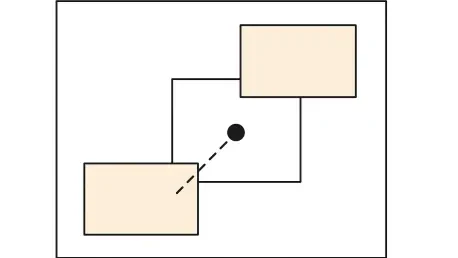
Homeowners can now partition a single room into eight distinct monitoring zones, allowing for localized automations based on a 0.5-meter grid system. This development signals a departure from the primitive reactive logic that characterized earlier smart home devices. For years, the frustration of