
The traditional cycle of replacing a flagship smartphone every twenty-four months is rapidly dissolving as hardware capabilities outpace the demands of everyday software applications. For years, the industry relied on the perception that mobile processors would eventually struggle under the weight

As wearable technology matures in 2026, the industry is witnessing a definitive shift from bulky, utility-first designs toward ultra-slim aesthetics that blend seamlessly with high-end professional attire. This transition is exemplified by the latest announcement of a more compact 41mm variant of

The inclusion of the Imagiq 1290 ISP allows upcoming smartphones to capture 4K slow-motion video at 240fps with professional-grade AI motion assistance. This leap in multimedia capability serves as a cornerstone for MediaTek's newest flagship silicon, which arrives as the industry transitions

The Galaxy Store serves as a modular repository for deep-level customization tools that allow enthusiasts to unlock advanced hardware capabilities typically hidden in standard Android builds. While the standard One UI experience is designed for broad accessibility, this secondary layer of

Apple’s decision to explore camera-based advertising follows a trend of increasing commercialization across the ecosystem, including recent sponsored slots in Apple Maps and the App Store. This shift marks a significant departure from the tech giant's historical stance on advertising, which long
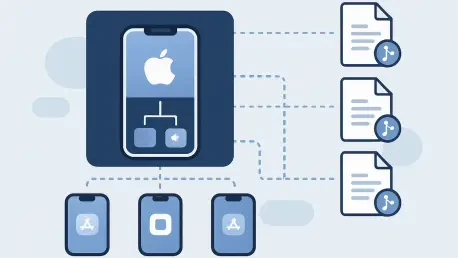
Transitioning from source-based dependencies to binary XCFrameworks is one of the most effective strategies for reducing clean build times in large iOS environments. This architectural pivot has become the cornerstone of modern enterprise mobile strategy as organizations move away from massive,