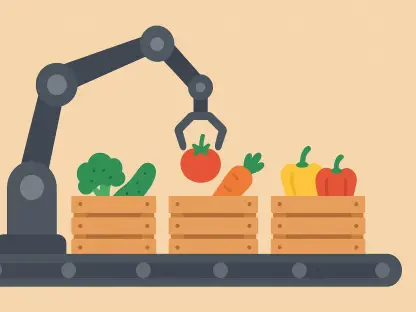

The need for manual troubleshooting and onsite configuration is drastically reduced as devices learn to resolve their own connectivity issues autonomously. In the current landscape of 2026, the Internet of Things has moved past its infancy where sensors simply gathered data for remote processing.

The Ojai fleet features a suite of accessibility options including Braille integration and screen reader support to accommodate a wider range of passenger needs. This advancement represents a fundamental shift in how the industry views urban mobility, moving past the mechanical challenge of
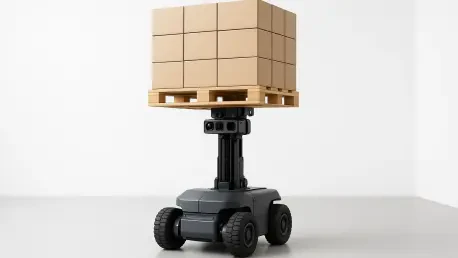
Utilizing edge intelligence and multi-sensor navigation, the PUDU MP2000 creates real-time environmental maps to bypass the limitations of traditional fixed-track automation. The logistics industry is currently facing a massive demand for higher throughput and reduced operational costs,

The emergence of the CUBE 5.0 architecture allows Alibaba to deploy massive AI data centers in just 100 days, drastically reducing the time-to-market for new compute capacity. This unprecedented speed of expansion is the centerpiece of a broader structural transformation, signaling a definitive

The vulnerability known as cryptographic context injection highlights a growing conflict over how AI assistants manage and prioritize the context of incoming information. As large language models like Grok and Gemini become more deeply integrated into daily workflows, the surface area for

The presence of anatomical errors and visual artifacts in camera advertisements serves as a clear indicator that marketing teams are prioritizing speed over the high-quality output their products are supposed to produce. This alarming trend has created a bizarre paradox within the photography