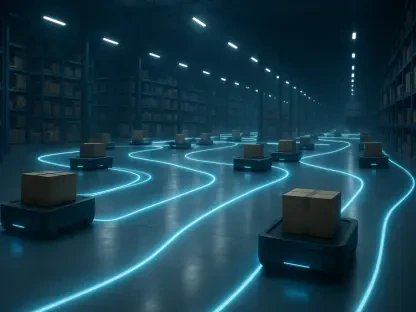
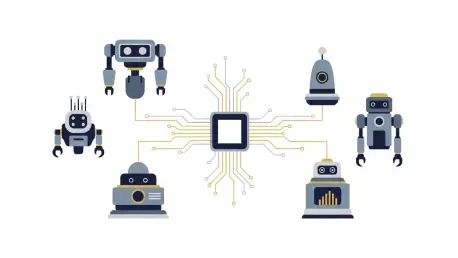
As industrial facilities increasingly transform into high-density ecosystems of automation, the fundamental challenge has shifted from simply deploying robots to managing a chaotic symphony of disparate machines that speak entirely different digital languages. In the current landscape, many

Digital marketers who once obsessed over exact-match keyword density and mechanical backlink profiles are finding themselves in an unrecognizable landscape where AI agents handle most of the heavy lifting. The era of manipulating search results through superficial metrics has effectively ended,

The persistent financial burden of software development has undergone a radical transformation where the physical act of writing logic no longer constitutes the primary drain on an engineering budget. Historically, the labor-intensive process of manual coding served as a natural throttle for
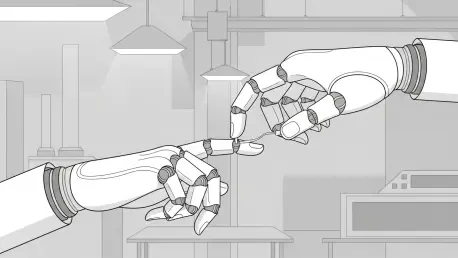
Modern industrial landscapes are undergoing a profound transformation as manufacturers pivot away from rigid, specialized automation toward highly adaptable systems capable of executing complex, human-centric maneuvers. At the heart of this shift is the concept of Physical AI, a discipline that

The rapid convergence of disparate software platforms into singular, intelligent ecosystems has fundamentally altered how marketing departments operate on a daily basis. Instead of juggling dozens of disconnected applications, modern enterprises are gravitating toward unified technology stacks that

Transforming a standard living space into a fully automated smart home environment often involves a series of permanent alterations that can leave lasting marks on walls, ceilings, and window frames. This reality creates a significant barrier for individuals living in rental properties or those who