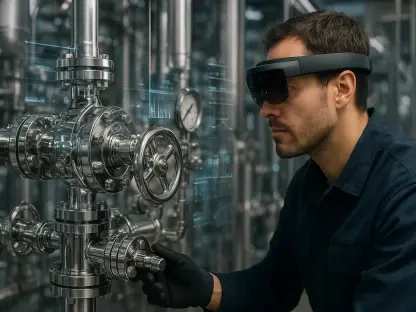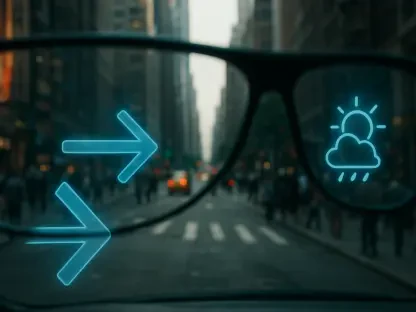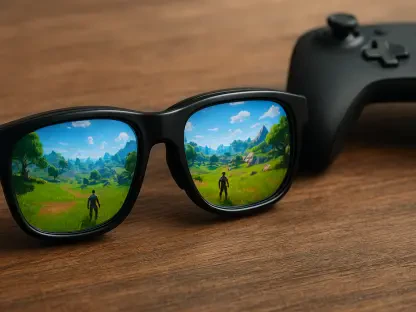
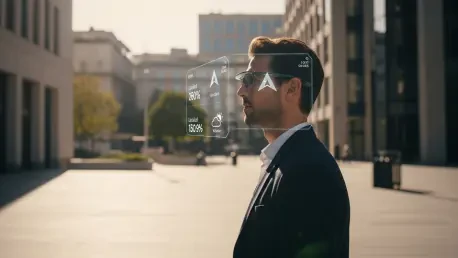
Walking through any major urban center today reveals a landscape where the traditional smartphone is no longer the sole arbiter of our digital interactions and experiences. The evolution of augmented reality from clunky, experimental prototypes into sleek, everyday eyewear has reached a critical

The global economy has transitioned from viewing decentralized ledgers as speculative financial instruments to acknowledging them as the essential plumbing for a transparent digital society where every transaction is verifiable by design. This structural evolution marks the end of an era defined by
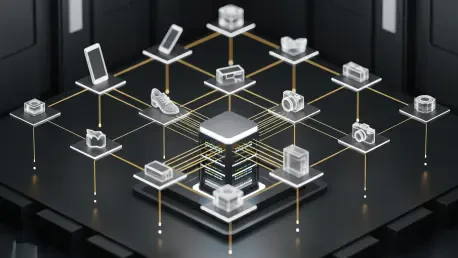
Entering a digital marketplace in the current era often feels like stepping into a high-decibel arena where every pixel and pop-up is vying for attention with relentless intensity. This transition from streamlined convenience to a state of permanent information overload has fundamentally altered
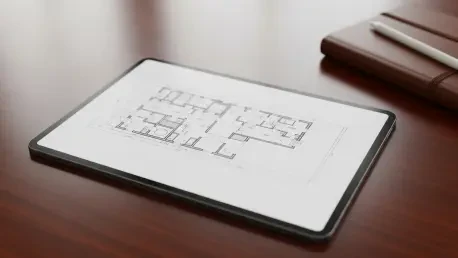
The persistent challenge of balancing high-intensity digital engagement with long-term ocular health has finally met a sophisticated adversary through the latest advancements in display engineering. As consumers increasingly prioritize specialized hardware that mitigates eye fatigue, TCL has

The intersection of algorithmic content consumption and real-world physical activity has transformed how modern audiences perceive fitness from a solitary chore into a shared social currency. This shift is not merely a byproduct of technological advancement but a fundamental change in the
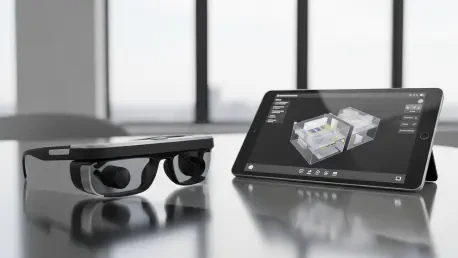
The arrival of fully autonomous augmented reality hardware marks a definitive departure from the era of tethered accessories and smartphone-dependent wearable displays. As consumers grow increasingly accustomed to simple camera-enabled frames, the introduction of a sophisticated spatial computing