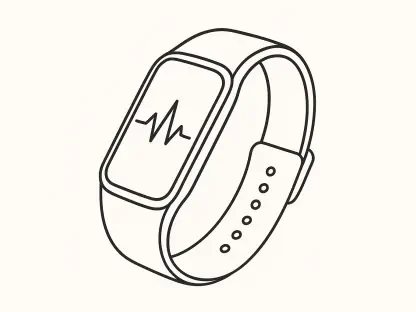

High-risk industrial and disaster zones require monitoring tools that are both self-sufficient and capable of delivering immediate, life-saving feedback to the user. Traditionally, environmental monitoring has relied on handheld devices or bulky sensors that require frequent battery replacements
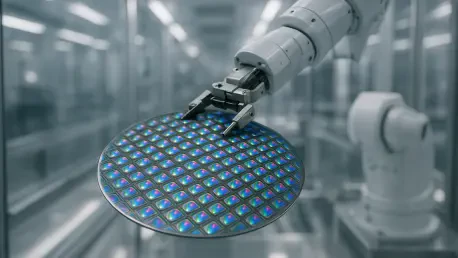
Mastering the mass production of specialized augmented reality optics provides a strategic advantage in adjacent high-growth markets like autonomous vehicle LiDAR and advanced medical imaging tools. The global competition to bring augmented reality smart glasses to the masses has long been framed

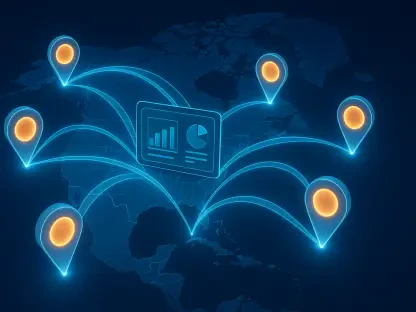
The maturity of the IoT market is reflected in a shift toward connectivity as a managed service, where the focus is on the infrastructure that binds devices together rather than just the hardware. By early 2026, the landscape has moved away from the fragmented testing phases that defined the
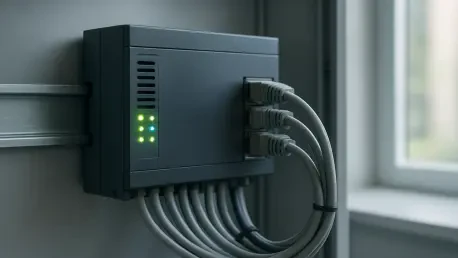
Relinquishing control in a BACnet environment does not delete an object's state but instead removes the high-priority command to allow the next available value in the arbitration engine to take effect. This foundational concept differentiates the Building Automation and Control networks (BACnet)
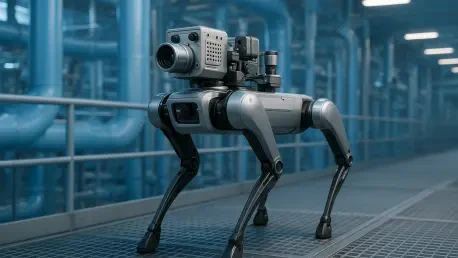
A water cannon mounted on a quadruped platform can discharge foam at 40 liters per second, providing fire suppression in areas too dangerous for human entry. The transition to legged robotics in the emergency sector represents a pivotal shift in how agencies manage high-risk scenarios. In 2026, the
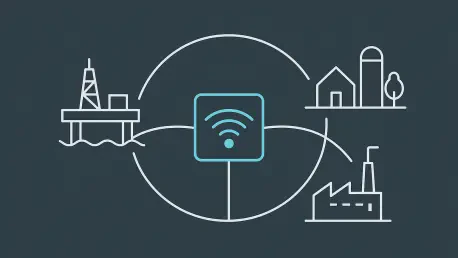
Private 5G is increasingly utilized as the backbone for industrial connectivity because it offers the long-range reach and reliability needed for autonomous machines operating in unlicensed spectrum. In the current landscape of 2026, the demand for high-performance networking has shifted