
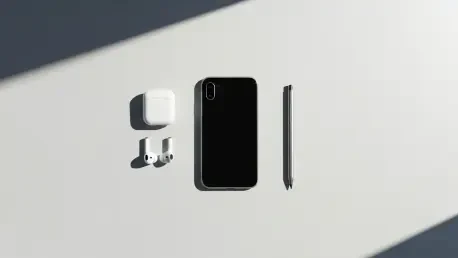
The evolution of the smartphone from a passive communication tool into an autonomous digital architect marks the most significant shift in consumer technology since the original mobile revolution. For years, the industry remained trapped in a cycle of iterative hardware updates, where success was

The shift toward generative engine optimization has completely redefined the criteria for digital visibility, forcing brands to move away from static keyword lists and toward dynamic, entity-based ecosystems. In 2026, the search experience is no longer a simple list of links but a multi-modal

The digital marketplace is currently undergoing a structural transformation that renders the traditional concept of browsing through endless product pages virtually obsolete for a growing segment of modern consumers. Instead of spending hours filtering through specifications and reading

Every ninety seconds, a shelter animal in the United States loses its life simply because there is no space or visibility to connect it with a loving home, a statistic that underscores a profound logistical failure in local communities. To address this persistent challenge, Amazon launched the

The relentless push toward the physical boundaries of classical semiconductor technology has forced a fundamental reckoning within the global computing landscape, shifting the focus from raw power to the intricate stabilization of quantum systems. This evolution was punctuated recently by the
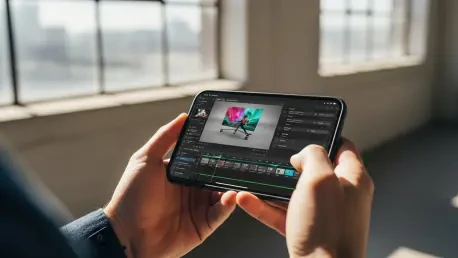
Modern content creators have already produced more than 13 million seconds of digital media using Honor’s previous systems, proving that the appetite for mobile storytelling is reaching an all-time high. With the arrival of the Honor 600 series on April 23, the industry is moving beyond basic image