
The Galaxy Tab S12 Ultra utilizes a dual front-camera system and a 120 Hz refresh rate to facilitate high-quality video conferencing and smooth multitasking. This specific configuration addresses the modern demand for a device that functions as both a communication hub and a creative engine. As the

A specialized mobile application translates complex neural signals into an intuitive metric called Brain Battery to visualize remaining cognitive energy. This capability represents a significant shift in how personal wellness is monitored, moving beyond basic physical metrics like steps and heart

Navigating a foreign city or engaging in a high-stakes international business negotiation no longer requires a human interpreter or the cumbersome process of typing phrases into a mobile application. As of 2026, the technological landscape has shifted remarkably, bringing the dream of seamless,

The phenomenon of algorithmic bias occurs when models inherit and amplify existing social prejudices found within their real-world training data. This persistent challenge serves as a central point in the discussion of Natural Language Processing, which has successfully transitioned from a niche

Transitioning from centralized cloud data centers to localized processing requires a sophisticated management layer capable of handling NP-hard task scheduling across millions of sensors. This fundamental pivot in digital architecture has become a necessity as the volume of data generated by global
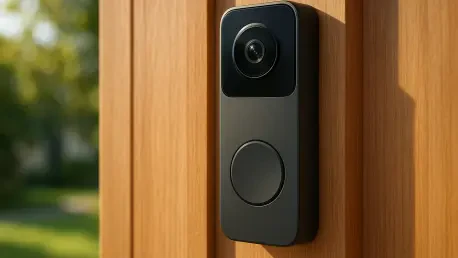
The contemporary home security market is currently witnessing a massive technological pivot from reactive motion sensors to proactive artificial intelligence systems. For years, the primary complaint from users centered on notification fatigue, a condition where homeowners begin to ignore security