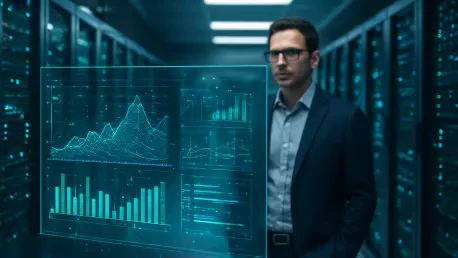
While machines can identify intricate patterns in vast datasets, they still lack the human capacity for critical thinking and framing results within a specific business context. The current technological landscape is defined not merely by the collection of information, but by the sophisticated

The price gap between high-capacity flash and traditional spinning disks has widened significantly, with a 30TB SSD now costing nearly 19 times more than an equivalent hard drive. As the global economy adjusts to the relentless expansion of artificial intelligence, the enterprise storage sector
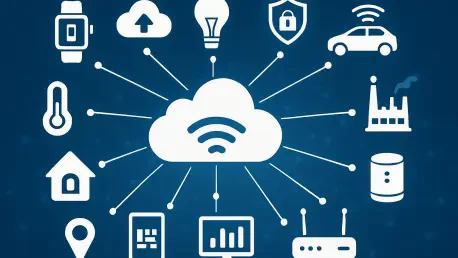
A significant shift in the technological landscape is occurring as physical objects gain the capacity to analyze and exchange information without human intervention. This transformation represents a departure from traditional computing, where the primary interface was between a person and a screen.

The investment case for Netflix hinges on its status as a resilient business with high barriers to entry, backed by a decade of aggressive content spending and global expansion. Loomis Sayles emphasizes that the company has successfully transitioned from a high-growth disruptor to a disciplined
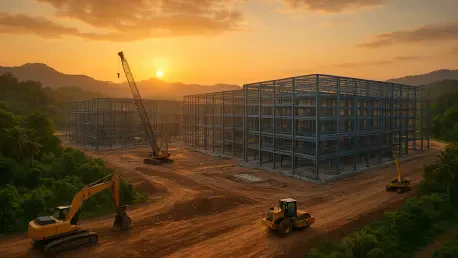
Japan’s high tech-ambitions are currently stalled, with over 80 percent of companies failing to move AI beyond departmental use into core operations. This initial friction highlights a broader regional trend where corporate enthusiasm is being checked by the tangible complexities of the material

The traditional blueprint for pharmaceutical research is currently undergoing a radical overhaul as artificial intelligence moves from the experimental fringes to the absolute center of drug discovery operations. This transformation is not merely a technical upgrade but a fundamental reimagining of