
The U.S. Department of Energy identifies residential windows as primary sources of thermal loss in winter and heat gain during the summer months. This persistent challenge has spurred a technological transformation in the fenestration industry that was once characterized by stagnant mechanical

Treating cybersecurity as a secondary feature during the vendor selection process exposes local governments to avoidable risks from inherently insecure hardware. As municipal authorities move toward 2027 and 2028, the integration of smart technology into public works, law enforcement, and utility

The relentless pursuit of energy-efficient artificial intelligence has led researchers to look far beyond the traditional confines of silicon-based microchips and power-hungry graphics processing units. In a remarkable fusion of fluid dynamics and computer science, a team at the University of

Deep learning architectures such as SegFormer and Mask2Former are being tested to see if they can match the complex decision-making of human engineers. This investigation comes as global infrastructure reaches a critical tipping point, with thousands of steel bridges requiring constant monitoring

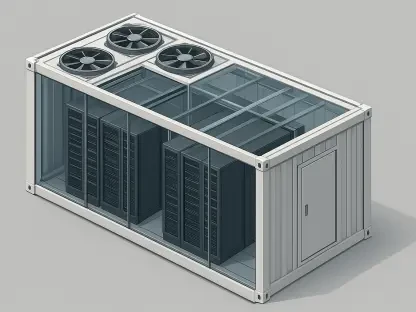
The escalating complexity of global digital infrastructure has necessitated a shift away from manual monitoring toward automated Data Center Infrastructure Management platforms that can synchronize real-time power, cooling, and asset telemetry across hyper-scale facilities. As the demand for

As wearable technology matures in 2026, the industry is witnessing a definitive shift from bulky, utility-first designs toward ultra-slim aesthetics that blend seamlessly with high-end professional attire. This transition is exemplified by the latest announcement of a more compact 41mm variant of