
For years, the promise of a truly intelligent home has been limited by a lack of centralized visual control and reactive digital assistants. A significant upgrade to the Apple TV and HomePod mini will accompany the new hub to create a more cohesive ecosystem for ambient home intelligence. This

Subsea monitoring has become a priority as global trade remains dependent on the security of major shipping routes and sovereign ports facing hybrid threats. The maritime defense sector is currently undergoing a foundational shift as traditional crewed operations transition toward an integrated

The trajectory of the foldable market has finally reached a state of technological equilibrium where the Samsung Galaxy Z Fold8 Ultra represents a definitive vision of the productivity-first mobile workstation. For years, consumers have navigated a landscape of compromise, weighing the benefits of
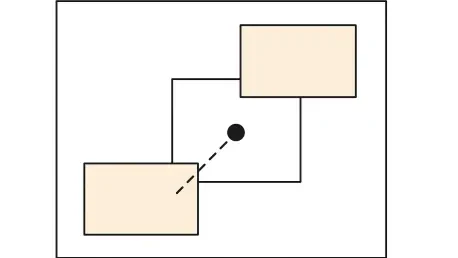
Homeowners can now partition a single room into eight distinct monitoring zones, allowing for localized automations based on a 0.5-meter grid system. This development signals a departure from the primitive reactive logic that characterized earlier smart home devices. For years, the frustration of

By utilizing a Raspberry Pi for onboard operations, the Flourish One offloads intensive computational tasks to cloud-based GPUs to maintain hardware affordability. This strategic choice reflects a broader movement within the robotics sector to democratize access to advanced automation by decoupling

The ambiguity of iconography in electronics manuals often leads consumers to underestimate the physical and electrical limitations of their smart home gear. In the current landscape of 2026, the release of the Shelly Plug S Gen 3 has highlighted a significant gap between manufacturer intent and