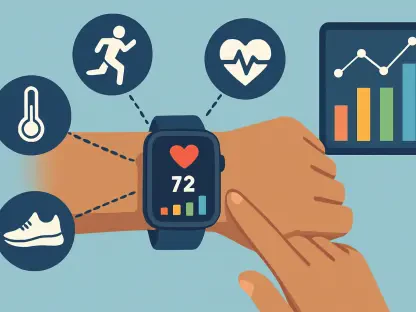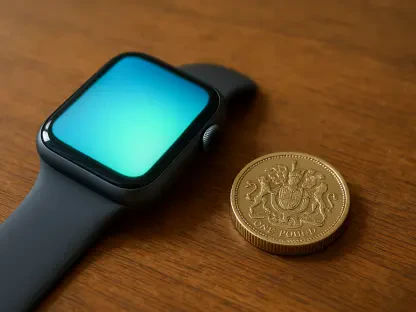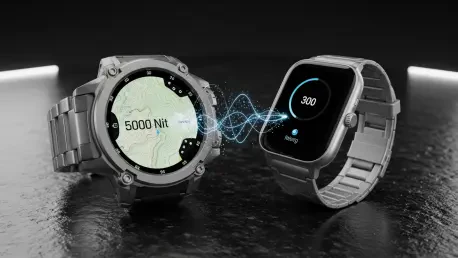
The release of the watchOS 27 beta marks a definitive shift in how wearable technology integrates with the daily life of a modern user by transforming the Apple Watch into a highly capable digital assistant. This latest iteration is not merely an incremental update but a comprehensive overhaul that
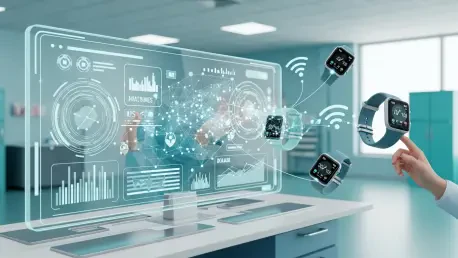
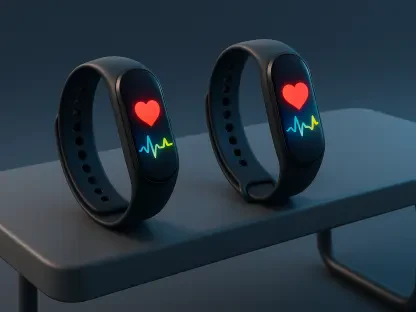
In contemporary hospital settings, the traditional reliance on intermittent manual vital sign checks is being replaced by a sophisticated network of medical-grade smartwatches that provide a seamless view of patient health. These wrist-worn devices represent a paradigm shift in inpatient care,
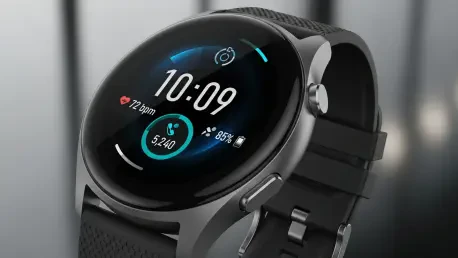
The constant cycle of daily charging remains the single greatest barrier to widespread smartwatch adoption for users who demand more than twenty-four hours of reliability. While high-end Wear OS devices often offer a plethora of features, they frequently stumble when it comes to longevity, forcing
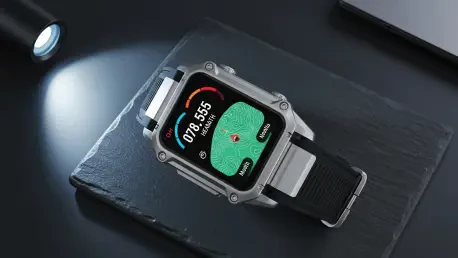
The seamless integration of biometric precision and advanced computational power has finally pushed wearable technology beyond its initial role as a simple notification hub into the realm of indispensable life management systems. Today, the global smartwatch landscape is characterized by a
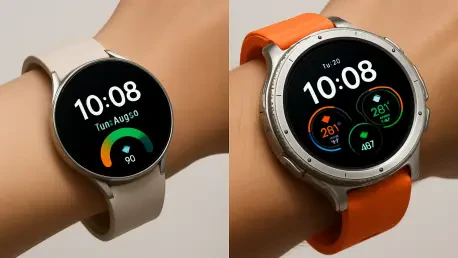
Modern wearable technology has reached a critical inflection point where the focus has shifted from tracking movement to providing a deeply integrated digital extension of the human experience. Samsung is currently positioned to redefine this entire market landscape with the release of the Galaxy
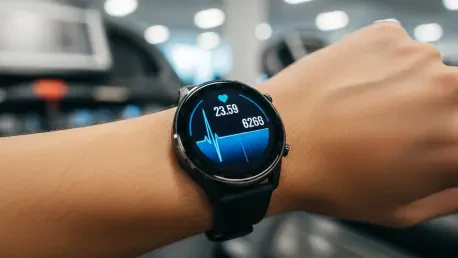
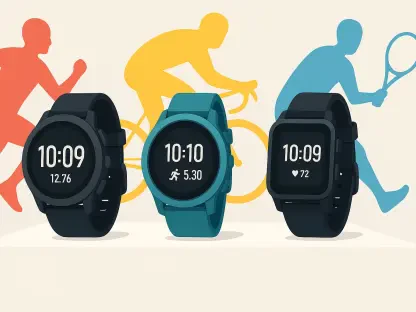
The relentless pace of technological advancement often leaves consumers questioning whether last year's hardware can truly keep up with the demands of today's rigorous training protocols and biometric standards. When Garmin unveiled the Forerunner 170 Music, it signaled a strategic pivot toward