
The relentless expansion of industrial-scale digital fraud has forced an unprecedented level of coordination between global law enforcement agencies and the private sector to protect the integrity of the financial system. Recent months have demonstrated that while the technical sophistication of

The transition from simple automation to cognitive agency has fundamentally restructured the core architecture of the modern corporate environment across every major industry. Organizations have moved past the era of fragmented digital assistants toward a landscape where autonomous systems actively

The relentless bombardment of digital notifications from wrist-worn devices has created a paradoxical environment where the very tools designed to improve health often contribute to increased cognitive fatigue and digital distraction. While the broader consumer electronics industry has spent the

Digital storage solutions in the current era often force a compromise between the lightning-fast responsiveness of solid-state technology and the expansive, cost-effective volume provided by mechanical platters. While flash memory has become the standard for boot drives and active project files,

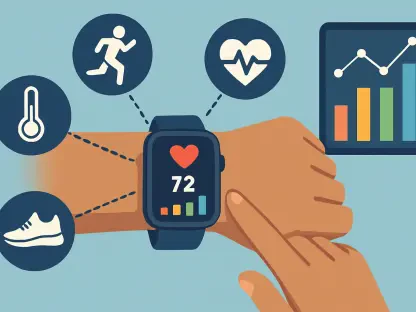
The transition from simple step-counting wristbands to sophisticated personal health operating systems has blurred the lines between consumer lifestyle accessories and high-stakes medical diagnostic equipment. As global capital investment in biosensors and artificial intelligence continues to

The rapid advancement of wearable technology has fundamentally altered the landscape of geriatric care by providing seniors with a reliable and non-intrusive safety net that supports long-term independence. Modern smartwatches have transitioned from being simple digital novelties into essential