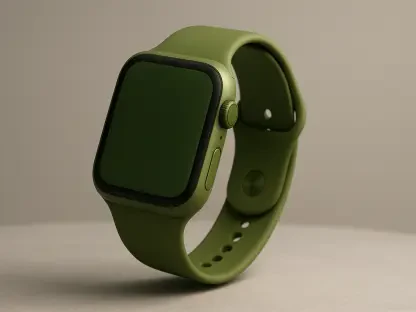
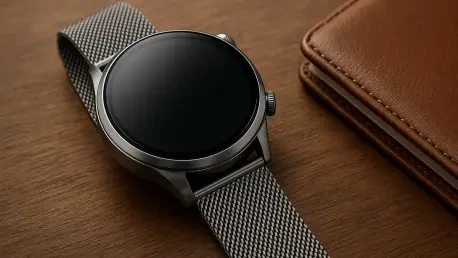
As wearable technology matures in 2026, the industry is witnessing a definitive shift from bulky, utility-first designs toward ultra-slim aesthetics that blend seamlessly with high-end professional attire. This transition is exemplified by the latest announcement of a more compact 41mm variant of
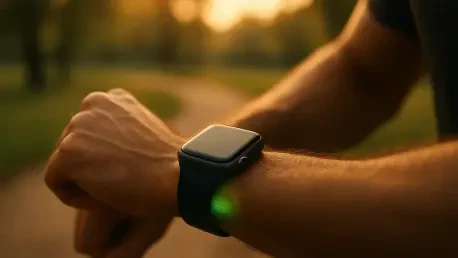
Proprietary algorithms used by major wearable brands often synthesize complex biological signals into color-coded numbers without providing any published scientific validation. In the modern health and fitness landscape, the smartwatch has transitioned from a luxury accessory to a digital oracle
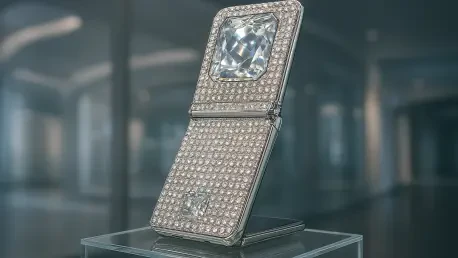
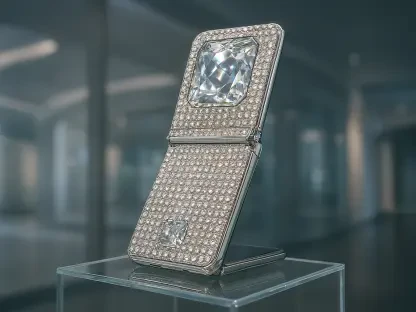
The arrival of IFA 2026 has transformed Berlin into a high-tech runway where Motorola is currently showcasing a collection that effectively blurs the lines between functional electronics and high-fashion accessories. This specific exhibition serves as a significant turning point for the brand, as

The recent unveiling of Huawei's latest global wearable lineup signaled a pivotal shift in consumer electronics where the focus moved from basic activity tracking toward high-fidelity medical diagnostics integrated into high-fashion accessories. This simultaneous launch of the Watch 6 and Watch GT
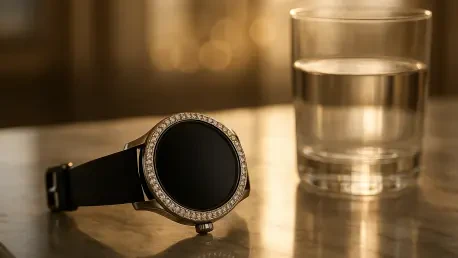
Modern budget smartwatches now focus on wellness tracking trends rather than providing certified medical-grade diagnostic data for users. The Indian wearable market is currently undergoing a significant transformation as brands like Noise bring high-end features to the budget-conscious consumer.

Experts monitoring Google's hardware pipeline have found no internal data to support the existence of a Pixel-branded tracker that doubles the battery life of current Fitbit models. The emergence of reports regarding a device codenamed "AURA" has sparked significant interest, yet these claims