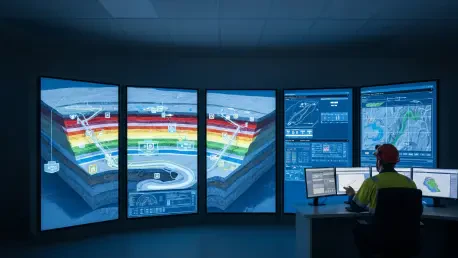
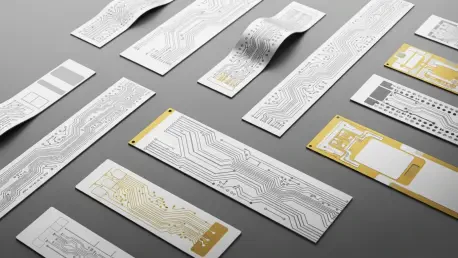
Modern healthcare environments are rapidly moving toward a future where the distinction between biological systems and digital interfaces becomes increasingly blurred through the implementation of soft electronics. For decades, the reliance on rigid silicon components has limited the scope of
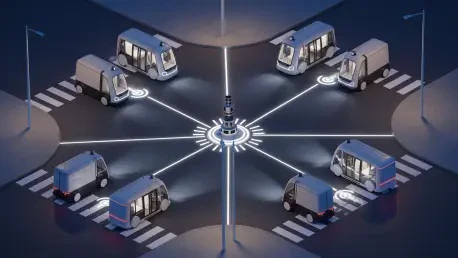
The rapid evolution of the Internet of Things into the realm of Physical AI represents a fundamental shift in how digital systems interact with our tangible world. While earlier iterations of technology focused primarily on the basic connectivity of everyday objects to the cloud, the emergence of

The seamless orchestration of residential environments has transitioned from a luxury hobby into a fundamental requirement for modern living where software acts as the primary conduit for all domestic interactions. By the midpoint of this decade, the smart home has successfully moved beyond a mere

The rapid expansion of interconnected devices has turned once-clear wireless frequencies into crowded digital corridors, making reliable connectivity a critical bottleneck for modern hardware developers. As industrial and domestic environments become increasingly saturated with signals, the

The persistent demand for artificial intelligence in every facet of computing has finally met a significant counter-movement as technical users prioritize system reliability and responsiveness over experimental features. At the Build 2026 conference, a noticeable shift in strategy emerged,
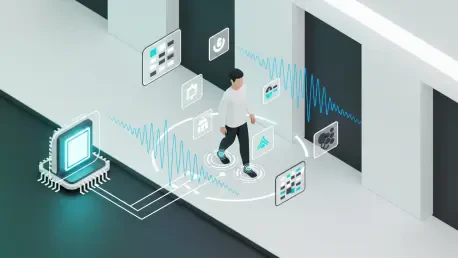
Living with Parkinson’s disease often involves navigating a landscape of unpredictable physical hurdles, but perhaps none is as distressing as the sudden, paralyzing sensation known as Freezing of Gait. This phenomenon occurs when an individual’s feet seem to become glued to the floor, rendering